LASIK (Laser-Assisted In Situ Keratomileusis) is the world's most popular vision correction surgery. It treats nearsightedness, farsightedness, and astigmatism by reshaping the cornea—the clear front window of your eye—so light focuses correctly on the retina. The goal? To reduce or eliminate your dependence on glasses and contact lenses.
Who Is a Good Candidate?
Age: You must be at least 18 years old.
Stable Vision: Your prescription should not have changed significantly in the last 12–24 months.
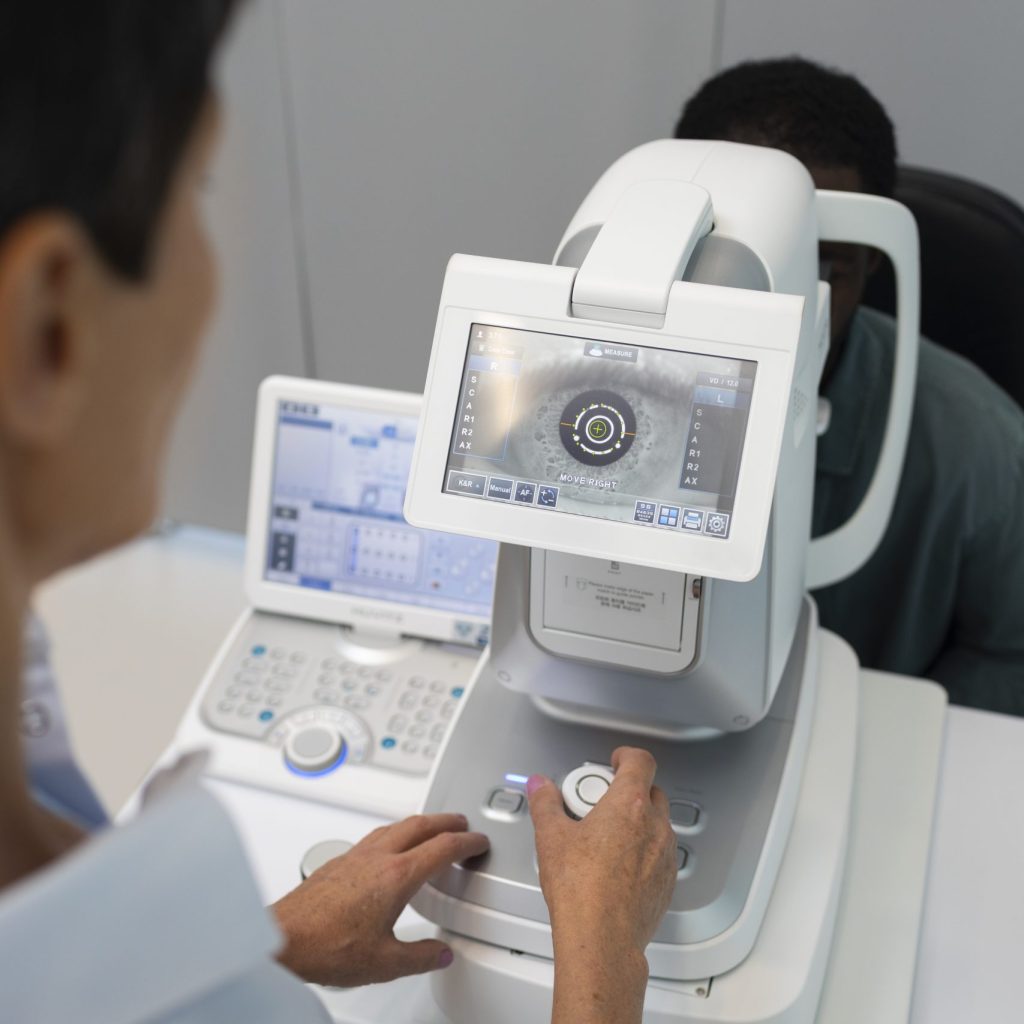
Eye Health: You need adequate corneal thickness and no severe dry eye or eye diseases.
(Note: If you wear contact lenses, you must stop wearing them for a few days (soft lenses) to weeks (hard lenses) before your evaluation.)
The Procedure: Quick and Painless
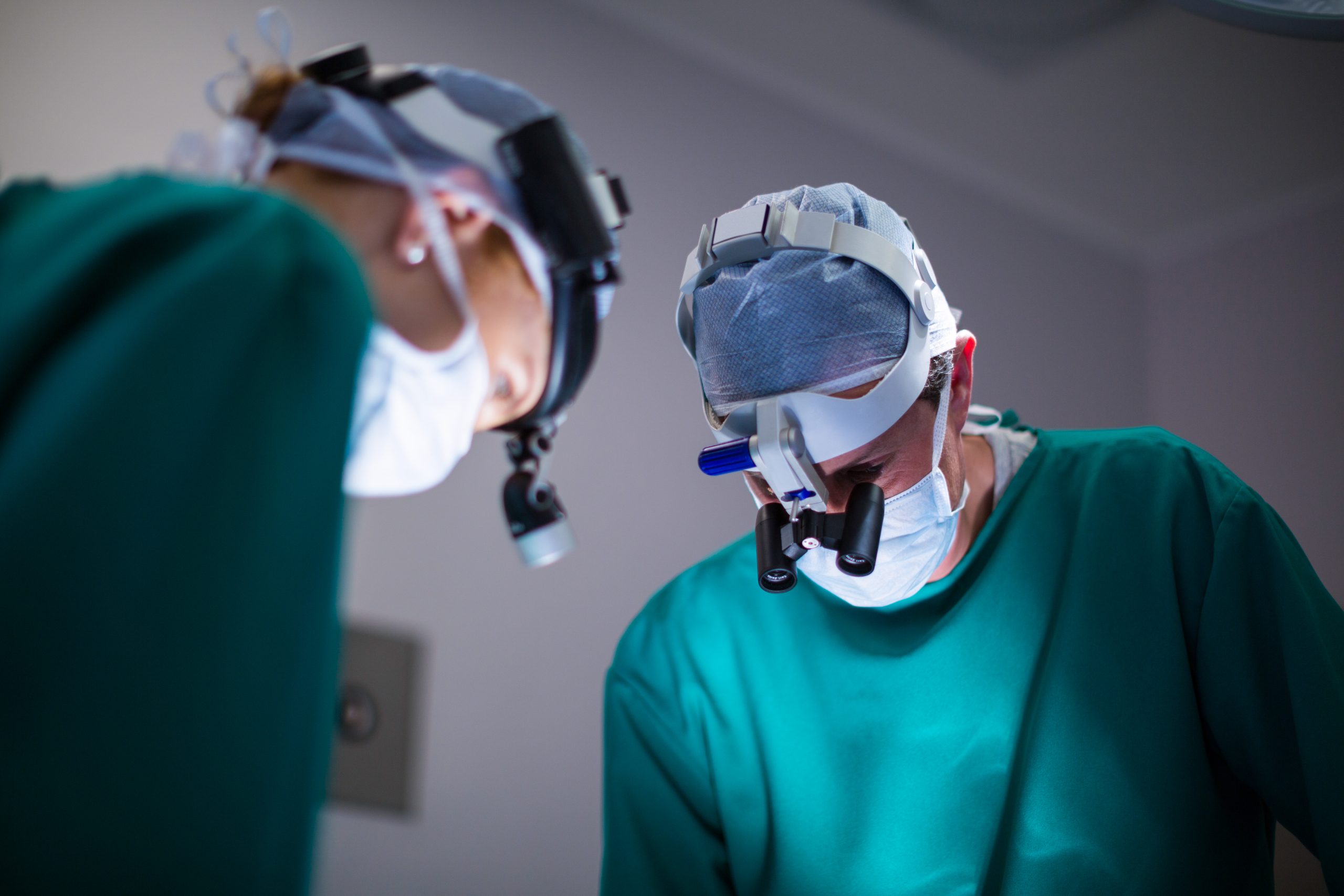
LASIK is an outpatient procedure that takes about 15 minutes for both eyes .
Numbing: You receive anesthetic eye drops (no needles).
Flap Creation: A laser (or precise blade) creates a thin flap on the cornea.
Reshaping: An excimer laser removes microscopic amounts of tissue to correct your vision.
Completion: The flap is repositioned naturally—no stitches needed
Recovery & Results
Immediate: You may feel gritty or watery for a few hours.
Vision: Most patients see clearly within 24 hours.
Care: You will use prescription eye drops for a few weeks to prevent infection and dryness.
Long-Term: 96% of patients achieve their desired vision. However, most people still need reading glasses after age 40 due to natural aging (presbyopia).
Risks & Considerations
LASIK is safe, but like any surgery, it has risks. Temporary side effects may include dry eyes, glare, or halos around lights at night. Rare complications can affect vision quality. Always discuss your full medical history with your surgeon to ensure LASIK is right for you.