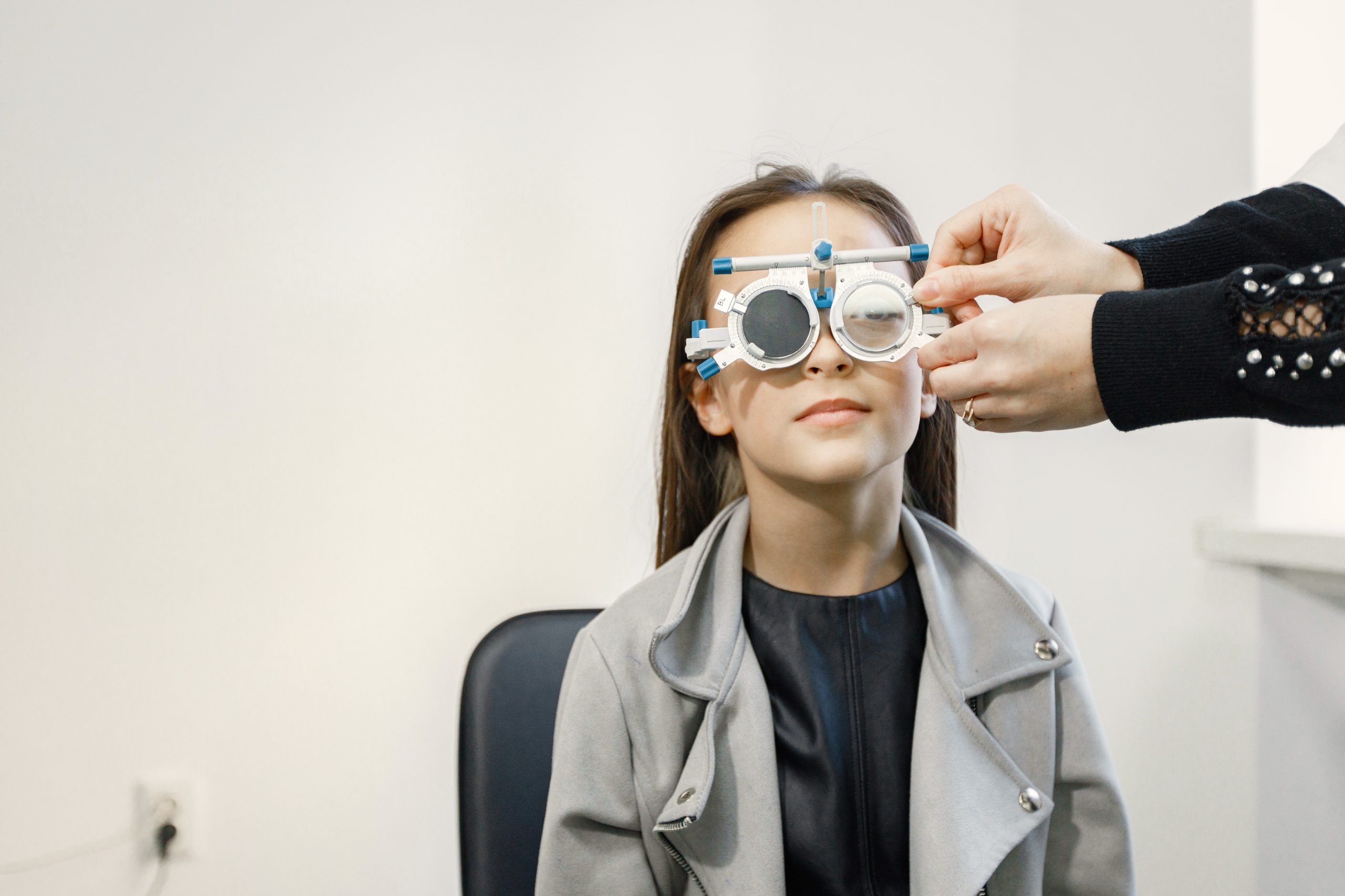
How Best Eye Surgeon in Lahore Supports Long-Term Eye Health 2027

Maintaining healthy eyesight is essential for enjoying a better quality of life, staying productive, and performing everyday activities with confidence. Regular eye examinations, early diagnosis, and appropriate treatment can help protect vision as people grow older. Choosing the Best Eye Surgeon in Lahore can be an important step for individuals who need specialised eye care, surgical treatment, or professional guidance to maintain long-term eye health. An experienced eye surgeon can assess vision problems, identify potential risks, and recommend suitable treatments according to each patient’s needs.
In a busy city like Lahore, eye health deserves consistent attention because daily screen use, environmental pollution, changing lifestyles, and age-related conditions may affect visual comfort. Consulting the Best Eye Surgeon in Lahore allows patients to understand their eye conditions and explore suitable treatment options before certain problems become more difficult to manage. Although not every eye condition requires surgery, professional evaluation can help patients make informed decisions about their vision and develop healthier habits for the future.
Understanding the Importance of Long-Term Eye Health
Long-term eye health involves more than achieving clear vision for a few days or weeks. It means protecting the eyes from avoidable damage, identifying diseases at an early stage, and receiving appropriate care throughout life. Some eye conditions develop gradually without noticeable symptoms, making regular examinations important even when vision appears normal.
A comprehensive eye care plan considers a person’s age, medical history, family history, daily activities, and existing vision problems. These factors help eye care professionals determine whether someone needs routine monitoring, medication, corrective lenses, or specialist treatment.
How the Best Eye Surgeon in Lahore Supports Preventive Eye Care
Preventive care plays a central role in protecting vision over time. Although eye surgery can treat several conditions, preventing avoidable complications and detecting diseases early are equally important.
Identifying Eye Problems at an Early Stage
Some eye diseases develop slowly and may not cause immediate discomfort. Patients may initially notice only minor changes, such as difficulty reading, increased glare, or reduced night vision.
The Best Eye Surgeon in Lahore can evaluate these symptoms, determine whether further investigations are required, and recommend appropriate management. Early assessment may help identify conditions before they cause substantial visual impairment.
Depending on the patient’s symptoms, an examination may include visual acuity testing, eye pressure measurement, examination of the front and back of the eye, and additional diagnostic imaging. The tests performed depend on the suspected condition and the patient’s individual risk factors.
Recommending Regular Eye Examinations
Routine eye examinations help establish a baseline for monitoring vision and identifying changes over time.
Regular appointments allow the surgeon to review previous findings, assess treatment outcomes, and adjust recommendations when necessary. This ongoing approach helps patients understand their eye health rather than waiting until a problem becomes difficult to ignore.
Advanced Diagnosis and Personalised Treatment Planning
Modern eye care combines clinical examination with diagnostic technology to help specialists understand the cause and severity of vision problems. Accurate assessment is important because different conditions can produce similar symptoms but require different treatments.
Using Modern Diagnostic Technology
Depending on the condition, an eye specialist may use corneal mapping, optical coherence tomography, retinal imaging, or other diagnostic tools. These technologies can provide detailed information about eye structures and help guide clinical decisions.
For example, corneal measurements are important when evaluating suitability for laser vision correction. Retinal imaging may help identify changes associated with diabetes or certain retinal disorders. Eye pressure assessment and optic nerve evaluation can contribute to glaucoma screening.
Creating an Individualised Eye Care Plan
Every patient has different visual requirements and health considerations. A person who spends long hours working on a computer may have different concerns from an older adult experiencing cataract symptoms or a patient with diabetes who needs retinal monitoring.
The Best Eye Surgeon in Lahore considers these differences when recommending treatment. Some patients may benefit from observation and regular checkups, while others may need medication, corrective lenses, laser treatment, or surgery.
The Role of Eye Surgery in Protecting Vision
Eye surgery can play an important role in treating conditions that interfere with sight or affect the structure of the eye. However, surgery is not necessary for every vision problem, and the most appropriate approach depends on an accurate diagnosis.
Cataract Surgery for Improved Visual Clarity
When cataracts begin to interfere with everyday activities, a surgeon may recommend removing the cloudy lens and replacing it with an artificial intraocular lens. The decision depends on the severity of symptoms, the patient’s visual needs, and the results of an eye examination.
Laser Vision Correction and Refractive Surgery
Laser vision correction, including LASIK and other suitable procedures, can reduce dependence on glasses or contact lenses for eligible patients. These treatments reshape the cornea to correct certain refractive errors, such as nearsightedness and astigmatism.
The Best Eye Surgeon in Lahore should explain the expected outcomes and limitations of refractive surgery instead of promising perfect vision. Patients should also understand that laser vision correction does not prevent every future eye disease or eliminate the need for regular eye examinations.
Supporting Eye Health Through Patient Education
Patients also need practical guidance on protecting their eyes between appointments. Understanding common risk factors can help people make better everyday decisions.
Developing Healthy Screen Habits
Computers, smartphones, and tablets are part of everyday life in Lahore. Extended screen use may contribute to eye strain, dryness, headaches, and temporary blurred vision, particularly when people take few breaks.
Good screen habits do not replace an eye examination. Persistent discomfort, recurring headaches, or continuing blurred vision should be assessed by an eye care professional.
Maintaining a Balanced Diet
Nutrition supports normal eye function and overall health. A balanced diet containing leafy green vegetables, colourful fruits, fish, whole grains, and other nutrient-rich foods can provide vitamins, minerals, and other compounds important for the body.
People with diabetes or high blood pressure should also follow appropriate medical advice because these conditions can damage the blood vessels that supply the eyes. Managing blood sugar and blood pressure can be an important part of reducing the risk of related eye complications.
Protecting Eyes from Environmental Damage
Dust, smoke, strong sunlight, and other environmental factors can cause discomfort or increase certain risks. Wearing appropriate protective eyewear during activities that could injure the eyes is particularly important.
Sunglasses that provide verified ultraviolet protection can help reduce exposure to harmful UV radiation. People working in construction, manufacturing, laboratories, or other environments with potential eye hazards should use suitable protective equipment.
Managing Age-Related Changes in Vision
Vision needs can change throughout life. Children may require assessments for refractive errors and eye alignment, adults may experience screen-related discomfort, and older people face a higher risk of cataracts and several other eye diseases.
Eye Care for Older Adults
Age-related changes can affect reading, night driving, colour perception, and the ability to recognise objects in low light. Although some changes are common with ageing, they should not automatically be considered harmless.
Older adults should also tell their eye care professional about existing medical conditions and medicines because these factors may influence examination findings and treatment decisions.
Protecting Vision in People with Diabetes
People with diabetes should follow their healthcare professional’s recommendations for retinal screening and maintain appropriate blood glucose and blood pressure control. Depending on the findings, treatment may involve monitoring, medication delivered into the eye, laser treatment, or surgery.
Early detection is important because established retinal damage may not be fully reversible. A consistent care plan can help identify changes and determine when intervention is needed.
What to Consider When Choosing an Eye Surgeon in Lahore
Selecting an eye surgeon requires careful consideration because treatment decisions can affect long-term vision. Patients should look beyond promotional claims and focus on professional qualifications, relevant experience, communication, and the quality of the assessment process.
Qualifications and Relevant Experience
Patients should check whether the surgeon has recognised medical qualifications, appropriate specialist training, and experience treating the condition in question. A surgeon who regularly performs a particular procedure may be familiar with its specific requirements, potential complications, and recovery considerations.
Clear Communication and Informed Decisions
A reliable eye care professional should explain the diagnosis in understandable language and discuss the benefits, risks, limitations, and alternatives associated with treatment.
Patients should feel comfortable asking questions about expected recovery, follow-up visits, costs, and the possibility of needing glasses after a procedure. They should never feel pressured to agree to surgery before understanding the available options.
The Best Eye Surgeon in Lahore should support informed decision-making and provide recommendations based on clinical findings rather than making unrealistic guarantees.
Follow-Up Care and Accessibility
Long-term eye health depends partly on access to appropriate follow-up care. Before choosing a provider, patients should understand how appointments are arranged, whom to contact if symptoms worsen, and what support is available after surgery.
Follow-up visits allow the surgeon to assess healing, monitor vision, and identify potential complications. Patients should follow prescribed instructions carefully and attend scheduled examinations, even when their eyesight appears to be improving.
The Importance of Post-Surgical Care
Recovery does not end when an eye procedure is completed. Appropriate aftercare helps patients follow the recommended healing process and recognise symptoms that need medical attention.
The surgeon may prescribe eye drops, recommend temporary activity restrictions, or advise patients to avoid rubbing their eyes. Instructions vary according to the procedure, so patients should follow their own treatment plan rather than general advice intended for another type of surgery.
Some temporary discomfort or fluctuating vision may occur after certain procedures, but severe pain, worsening vision, increasing redness, or unusual discharge should be reported promptly. Sudden or significant changes may require urgent evaluation.
Building a Sustainable Eye Care Routine in 2027
Maintaining healthy vision requires consistent attention rather than occasional treatment alone. A sustainable routine includes regular professional examinations, appropriate management of medical conditions, protective eyewear, balanced nutrition, and sensible screen habits.
However, maintaining healthy eyesight also requires personal responsibility. Regular examinations, effective management of chronic conditions, protective eyewear, and healthy daily habits all contribute to a comprehensive approach to eye care. Zafar Laser Eye Clinic By combining professional guidance with consistent preventive measures, patients can take meaningful steps towards protecting their vision and supporting better eye health in 2027 and beyond.
FAQs
1. Why should I consult an eye surgeon in Lahore?
An eye surgeon can diagnose surgical eye conditions, evaluate treatment options, and recommend appropriate care based on your individual needs.
2. How often should I have my eyes examined?
The recommended frequency depends on your age, symptoms, medical history, and risk factors. Your eye care professional can suggest a suitable examination schedule.
3. Can laser eye surgery prevent future eye diseases?
No. Laser vision correction treats certain refractive errors but does not prevent conditions such as glaucoma, cataracts, or retinal disease.
4. What are the warning signs of an eye problem?
Sudden vision changes, severe eye pain, flashes, a sudden increase in floaters, or a shadow across your vision require urgent medical assessment.
5. How can I maintain healthy eyesight naturally?
Follow a balanced diet, manage chronic health conditions, wear appropriate protective eyewear, take screen breaks, and attend regular eye examinations.