Myopia (Nearsightedness) – Causes, Symptoms, and Effective Treatment

Myopia, commonly known as nearsightedness, is one of the most widespread vision problems in the world today. It affects people of all ages, especially children and young adults. Individuals with myopia can clearly see objects that are close to them, but distant objects appear blurry. This condition has become increasingly common due to lifestyle changes, particularly the rise in screen usage and reduced outdoor activities.
With early diagnosis and proper treatment, myopia can be effectively managed. Understanding its causes, symptoms, and available treatment options is essential for maintaining healthy vision and preventing further complications.
What is Myopia?
Myopia is a refractive error that occurs when the shape of the eye causes light rays to bend incorrectly. Instead of focusing directly on the retina, light focuses in front of it. This results in blurred distance vision while nearby objects remain clear.
The condition can develop gradually or rapidly, and in many cases, it worsens over time if not properly managed. Myopia can range from mild to severe, depending on how much the eye shape affects vision.
Causes of Myopia
Several factors contribute to the development of myopia. The most common causes include:
Eye Shape
Myopia occurs when the eyeball is too long or the cornea is overly curved. This causes improper light focusing.
Genetics
If one or both parents have myopia, there is a higher chance that their children will develop it as well.
Excessive Screen Time
Spending long hours on mobile phones, computers, or tablets can strain the eyes and increase the risk of myopia.
Lack of Outdoor Activities
Research shows that children who spend less time outdoors are more likely to develop myopia.
Symptoms of Myopia
The symptoms of myopia can vary depending on the severity of the condition. Common signs include:
- Blurry vision when looking at distant objects
- Difficulty seeing road signs or classroom boards
- Frequent squinting
- Eye strain and headaches
- Poor night vision
In children, myopia may also affect academic performance, as they struggle to see clearly in school.
Diagnosis of Myopia
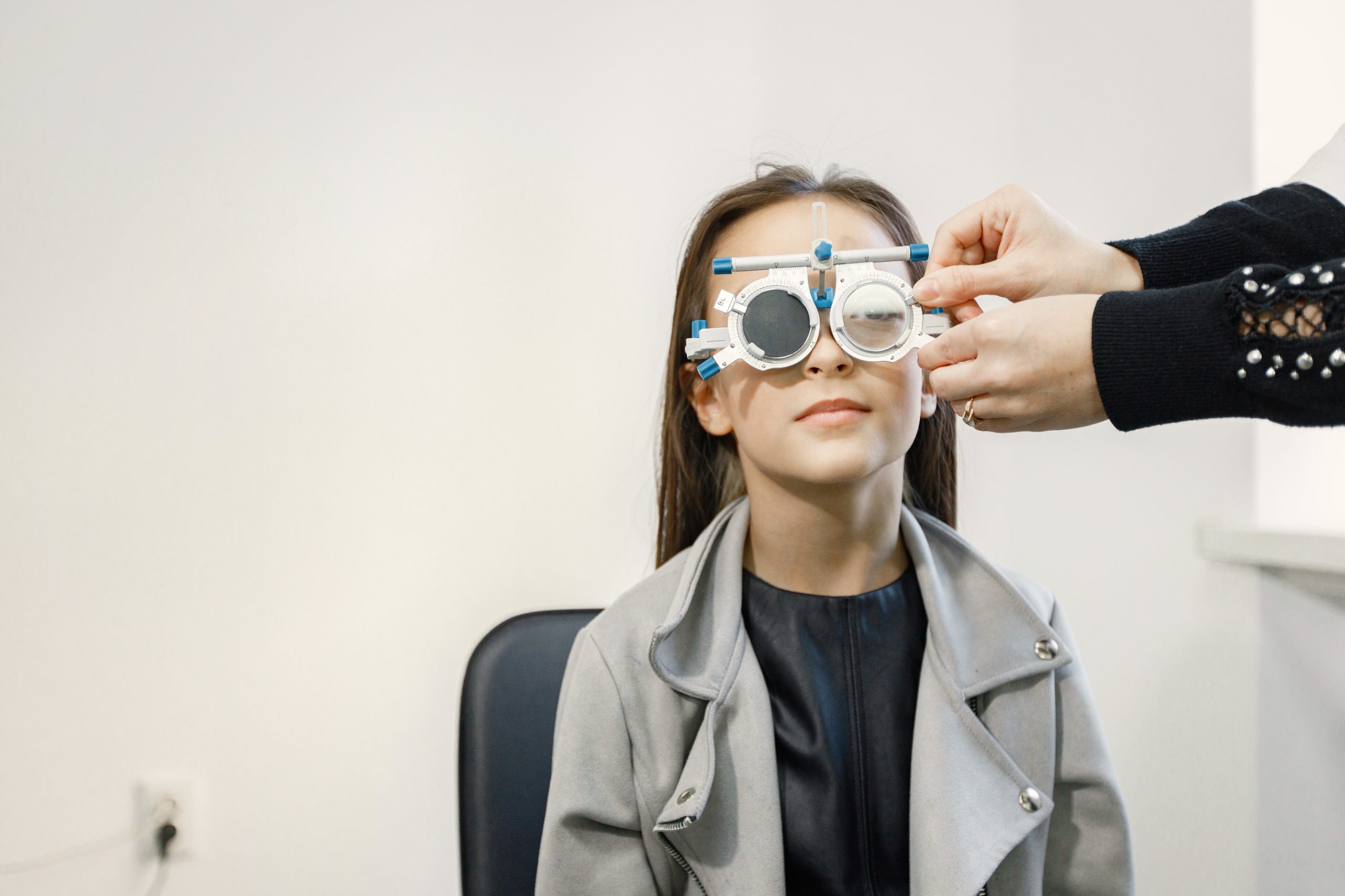
Myopia can be easily diagnosed through a comprehensive eye examination by an eye specialist. The examination may include:
- Visual acuity test
- Refraction test
- Eye health evaluation
Regular eye check-ups are important, especially for children, to detect myopia early and prevent progression.
Treatment Options for Myopia
There are several effective ways to correct and manage myopia depending on the age and condition of the patient.
Glasses
Eyeglasses are the most common and simplest solution for correcting myopia. They help focus light properly onto the retina.
Contact Lenses
Contact lenses provide a wider field of vision and are a convenient alternative to glasses for many individuals.
Laser Eye Surgery
Advanced procedures such as LASIK can permanently correct myopia by reshaping the cornea. This option is suitable for adults with stable vision.
Myopia Control Treatments
For children, special treatments are available to slow down the progression of myopia. These include:
- Specialized contact lenses
- Orthokeratology (overnight lenses)
- Low-dose atropine eye drops
Lifestyle Tips to Manage Myopia
Simple lifestyle changes can play a big role in controlling myopia and protecting eye health:
- Follow the 20-20-20 rule (every 20 minutes, look at something 20 feet away for 20 seconds)
- Limit screen time, especially for children
- Spend more time outdoors
- Maintain proper reading distance and posture
- Ensure good lighting while reading or working
Complications of Untreated Myopia
If myopia is left untreated or unmanaged, it can lead to serious eye problems in the future, such as:
- Retinal detachment
- Glaucoma
- Macular degeneration
High levels of myopia increase the risk of these complications, making early treatment essential.
Importance of Early Treatment
Early detection and proper management of myopia can significantly reduce its progression and prevent long-term damage. Parents should pay close attention to their children’s vision and seek professional help if any symptoms appear.
Regular eye examinations help monitor changes in vision and ensure timely adjustments in treatment.