
Service Details
- Home
- Dry Eye Syndrome
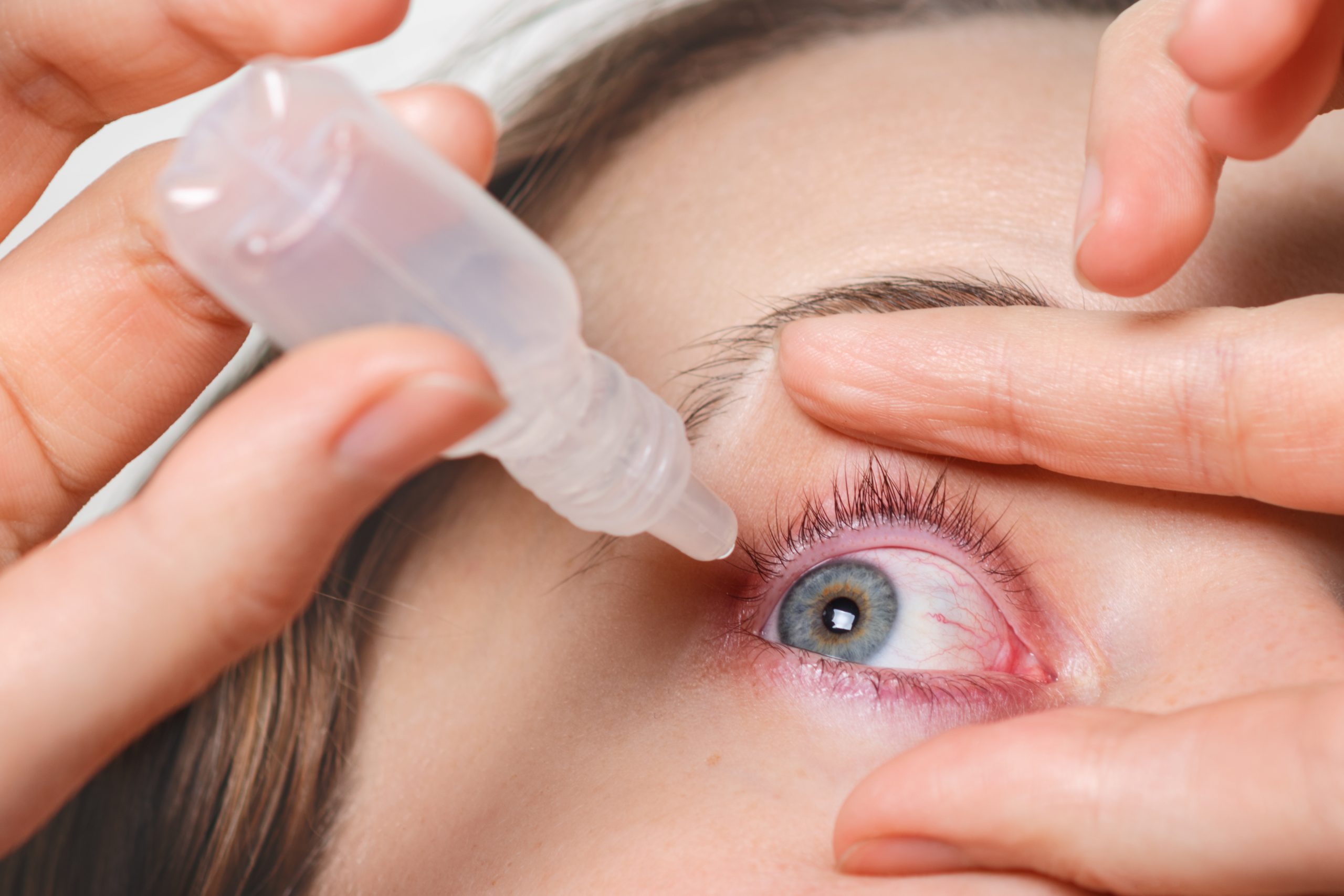
Dry Eye Syndrome Treatments
Dry Eye Syndrome
What is it? Dry Eye Syndrome (Keratoconjunctivitis Sicca) is a multifactorial condition where the eyes do not produce enough tears, or the tears evaporate too quickly due to poor quality. The tear film is a complex, three-layered structure: an oily outer layer (from meibomian glands) prevents evaporation, a watery middle layer (from lacrimal glands) provides moisture and nutrients, and a mucous inner layer (from conjunctival cells) helps tears spread evenly. When any layer is deficient, the ocular surface becomes unstable, leading to inflammation, discomfort, and potential damage to the cornea. Dry eye can be evaporative (most common, due to meibomian gland dysfunction) or aqueous-deficient (insufficient tear production).

Common Symptoms
- Persistent dryness, grittiness, or a "sand in the eye" sensation
- Burning, stinging, or itching eyes
- Redness and irritation
- Watery eyes (reflex tearing in response to irritation)
- Blurred or fluctuating vision that improves with blinking
- Sensitivity to light (photophobia)
- Eye fatigue, especially after screen use or reading
- Difficulty wearing contact lenses
- Stringy mucus in or around the eyes
Risk Factors
- Age (more common in adults over 50, especially postmenopausal women)
- Hormonal changes (pregnancy, menopause, oral contraceptives)
- Prolonged screen time (reduced blink rate)
- Environmental factors: dry air, wind, smoke, air conditioning
- Medications: antihistamines, decongestants, antidepressants, blood pressure drugs
- Systemic diseases: Sjögren's syndrome, rheumatoid arthritis, lupus, diabetes, thyroid disorders
- Eyelid problems: blepharitis, incomplete blinking, eyelid malposition
- Previous eye surgery (LASIK, cataract) or radiation exposure
Treatment Options
- Lifestyle & Home Care: Artificial tears (preservative-free for frequent use), warm compresses, lid hygiene, humidifiers, taking screen breaks (20-20-20 rule).
- Prescription Medications: Anti-inflammatory drops (cyclosporine, lifitegrast), short-term steroid drops, autologous serum tears.
- Procedures: Punctal plugs (to conserve tears), intense pulsed light (IPL) therapy, meibomian gland expression, thermal pulsation devices (LipiFlow).
- Advanced Options: Scleral contact lenses (for severe cases), amniotic membrane therapy, or surgical options for eyelid correction.
Prevention & Lifestyle Tips
- Consciously blink fully and frequently during screen use.
- Position computer screens slightly below eye level to reduce eyelid opening and tear evaporation.
- Stay hydrated and consider omega-3 fatty acid supplements (after consulting your doctor).
- Avoid direct airflow from fans, heaters, or car vents toward your eyes.
- Wear wraparound sunglasses outdoors to shield from wind and UV.
When to See a Doctor Consult an ophthalmologist if over-the-counter drops don't relieve symptoms, if you have persistent redness or pain, or if dry eye interferes with daily activities. Doctor's Note: Dry eye is a chronic condition that requires ongoing management, not a one-time cure. Early intervention prevents corneal damage and significantly improves quality of life. A tailored treatment plan based on the underlying cause yields the best outcomes.