Best Optometrist in Lahore for Healthy Eyes and Clear Sight 2027?

Healthy eyes play an essential role in everyday life, from reading and studying to working on digital devices and enjoying time with family. Regular eye examinations help people understand their vision needs and identify potential problems before they begin affecting daily activities. Choosing the Best Optometrist in Lahore can help individuals receive professional vision assessments, suitable eyewear recommendations, and guidance on maintaining long-term eye health. In 2027, growing awareness of preventive healthcare is encouraging more people in Lahore to make regular eye checkups part of their healthcare routine.
Finding the Best Optometrist in Lahore is an important step for anyone experiencing blurred vision, headaches, eye strain, or difficulty focusing on nearby and distant objects. A qualified optometrist can assess visual performance, determine the need for prescription glasses or contact lenses, and identify signs that require further examination by an ophthalmologist. With appropriate eye care and timely professional advice, people can make informed decisions about their vision and enjoy greater comfort in their daily routines.
Understanding the Importance of Professional Eye Care
Eye health involves more than simply seeing clearly. Changes in any of these areas can affect reading, driving, studying, and professional activities.
Professional optometry services help people understand these changes through structured examinations and individual assessments. An optometrist evaluates vision and recommends suitable corrective options when necessary. Regular checkups are particularly useful for people who spend extended periods using computers, smartphones, or other digital screens.
What Makes the Best Optometrist in Lahore a Suitable Choice?
Selecting an optometrist requires consideration of professional qualifications, examination methods, communication, and the range of services available. A reliable practitioner takes time to understand a patient’s concerns instead of focusing only on the prescription for glasses.
Professional Qualifications and Experience
A qualified optometrist has the relevant education and clinical training to assess vision and provide appropriate optometric care. Experience can also help practitioners manage common vision concerns and explain different corrective options clearly.
Patients should check professional credentials and ask about the optometrist’s experience with their particular needs. Someone seeking routine vision testing may require a different level of assessment from a person experiencing persistent double vision or significant changes in eyesight.
Accurate Vision Assessment
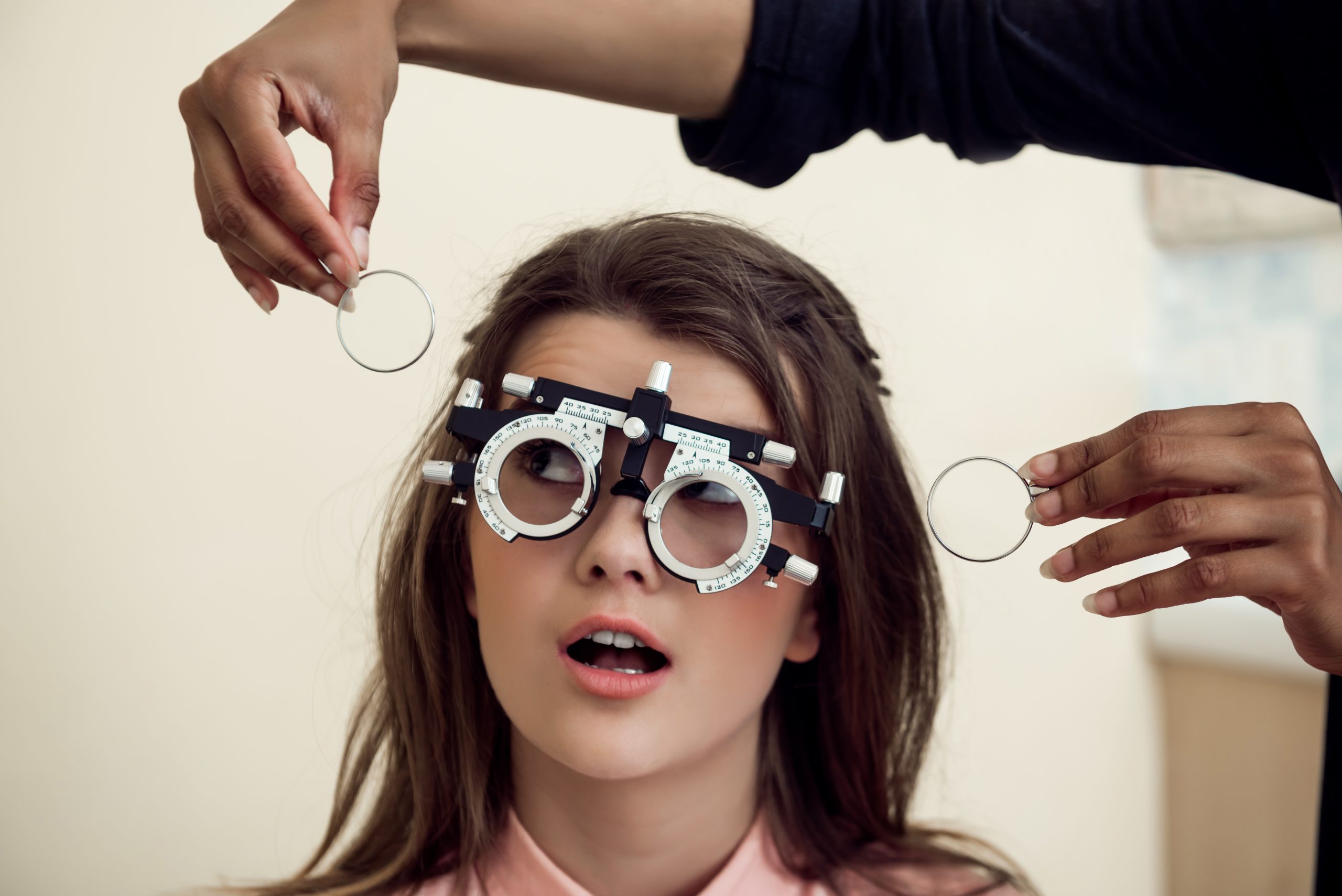
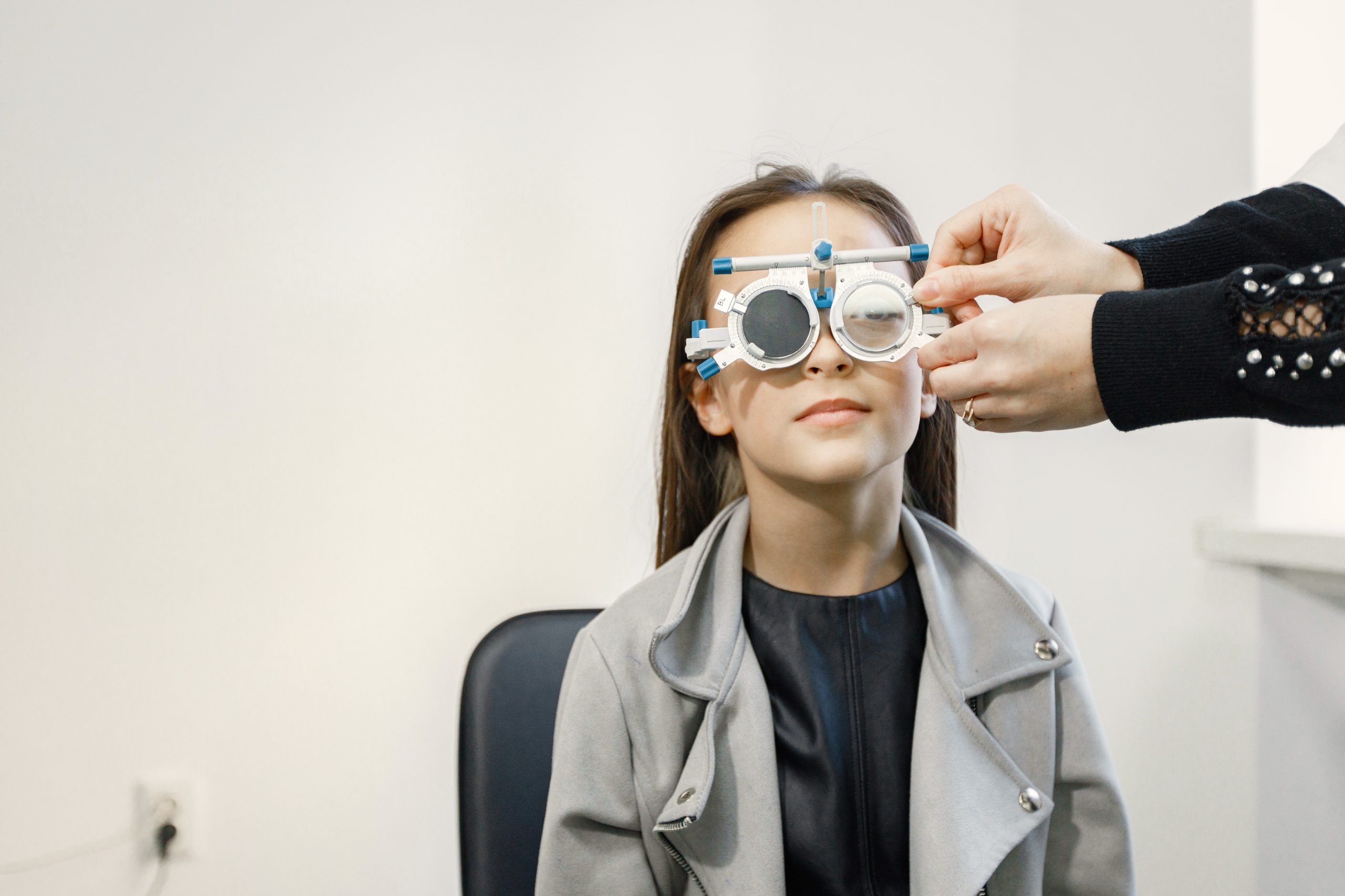
Accurate testing is essential for selecting the correct prescription. During an eye examination, an optometrist may assess visual acuity, focusing ability, eye coordination, and refractive errors such as nearsightedness, farsightedness, and astigmatism.
Clear Communication and Personalised Guidance
Good communication is an important part of a positive eye care experience. The optometrist should explain examination findings in understandable language and discuss available options without creating unnecessary confusion.
Personalised guidance is valuable because every patient has different visual demands. A student may need comfortable vision for reading, while an office worker may require advice about computer-related eye strain. Older adults may need an assessment of changing near vision or referral for possible age-related eye conditions.
An Optometrist can diagnose these common vision problems:
Many people experience vision difficulties gradually and may not immediately realise that their eyesight has changed.
Nearsightedness and Farsightedness
Nearsightedness, also called myopia, makes distant objects appear blurry while nearby objects may remain clear. Farsightedness, known as hyperopia, can make close work difficult and may cause discomfort during prolonged reading.
An optometrist can assess these refractive errors and determine whether corrective lenses are appropriate. The recommended prescription depends on examination results and individual visual requirements.
Astigmatism and Blurred Vision
Astigmatism occurs when the eye’s optical system focuses light unevenly, often because of the shape of the cornea or lens. Some people experience headaches, squinting, or difficulty seeing fine details when their vision is not adequately corrected. An eye examination can help identify astigmatism and establish whether prescription glasses or contact lenses may improve visual clarity.
Digital Eye Strain
Long periods of screen use can contribute to tired eyes, temporary blurred vision, headaches, and dryness. People may also blink less frequently when concentrating on computers or smartphones, which can increase discomfort.
An optometrist can assess whether an outdated prescription, focusing difficulty, or another issue contributes to these symptoms. Regular breaks, appropriate screen positioning, adequate lighting, and conscious blinking may also help improve comfort.
Essential Optometry Services for Healthy Eyes
A modern optometry practice may provide several services designed to support different visual needs. Understanding these services helps patients choose appropriate care.
Comprehensive Eye Examinations
The optometrist may also ask about general health, medications, family history, and existing symptoms. These details can influence the examination and help determine whether further testing is appropriate.
The recommended frequency of examinations varies according to age, symptoms, risk factors, and previous findings. Patients should follow an examination schedule suited to their individual circumstances.
Prescription Glasses and Lens Selection
Prescription glasses can improve clarity and make everyday activities more comfortable when refractive errors are present. Selecting appropriate lenses involves considering the prescription, frame fit, working distance, and daily activities.
People who use computers extensively may benefit from discussing their working distances and visual habits with their optometrist. Children, drivers, and individuals who frequently switch between near and distant tasks may have different eyewear requirements.
Contact Lens Assessment and Fitting
Contact lenses can provide an alternative to glasses for eligible patients. However, a suitable prescription alone does not guarantee that a lens will fit safely or comfortably.
Sleeping in contact lenses without specific professional approval, using tap water to clean them, or sharing lenses can increase the risk of eye infections. Proper hygiene and follow-up appointments are essential for safe contact lens use.
Eye Care for Children, Adults, and Older People
Vision needs change throughout life, which makes age-appropriate eye care important.
Supporting Children’s Vision
Children rely on clear vision for reading, writing, sports, and classroom learning. However, they may not always recognise or communicate that they cannot see properly.
Parents should consider an eye examination if a child frequently squints, sits unusually close to screens, complains of headaches, or struggles with visual tasks. Regular assessments can help identify refractive errors and other concerns that may require treatment or referral.
Maintaining Comfortable Vision in Adulthood
Adults may notice visual discomfort because of long working hours, changing prescriptions, or extensive use of digital devices. Regular examinations help identify changes and ensure that corrective lenses remain appropriate..
Managing Age-Related Vision Changes
As people grow older, reading small print may become more difficult because of presbyopia, a common age-related change in focusing ability. An optometrist can assess near vision and discuss suitable corrective lenses.
How to Choose an Optometrist in Lahore
Choosing an eye care professional should involve more than comparing prices or selecting the nearest clinic. Patients should consider qualifications, the suitability of available examination services, and the quality of communication.
It is helpful to ask whether the practice offers comprehensive vision testing, appropriate equipment, contact lens assessments, and referrals when specialist care is required. Patients should also understand the consultation fee and any additional charges before proceeding with optional services.
Healthy Daily Habits That Support Clear Vision
Professional examinations are important, but everyday habits also contribute to eye comfort. Maintaining a balanced diet that includes vegetables, fruits, and other nutrient-rich foods supports general health. Adequate sleep and regular physical activity are also beneficial for overall wellbeing.
People who work with digital screens should adjust brightness, reduce distracting glare, and position their screens at a comfortable distance. Taking regular breaks can reduce prolonged near-focusing demands. People with diabetes should follow their healthcare professional’s recommendations for diabetic eye examinations. Good daily habits cannot replace professional assessment, but they can complement an appropriate eye care plan.
The Role of Modern Technology in Optometry
Advances in diagnostic equipment have improved the ways eye care professionals assess vision and examine relevant eye structures. Digital refraction systems, specialised imaging, and other diagnostic tools may support more detailed evaluations when clinically appropriate.
Patients should ask their optometrist to explain the purpose of recommended tests and whether additional evaluation is necessary. Understanding the process helps people make informed decisions about their eye health without assuming that every patient needs the same equipment or procedures.
When to Seek Specialist Eye Care
An optometrist can manage many routine vision concerns, but some symptoms require medical attention. Sudden loss of vision, severe eye pain, a sudden increase in floaters, flashes of light, or a curtain-like shadow across the field of vision may indicate a serious problem.
Maintaining healthy eyes requires a combination of regular examinations, appropriate vision correction, healthy daily habits, and timely attention to unusual symptoms. Choosing the Zafar Laser Eye Clinic can help individuals understand their vision needs, receive suitable eyewear guidance, and recognise when further specialist assessment is necessary. In 2027, making eye care a regular part of personal healthcare can support comfortable vision for children, working adults, and older people alike. By checking professional qualifications, asking informed questions, and following personalised recommendations, patients can take practical steps towards protecting their eyesight and enjoying clearer vision throughout everyday life.
FAQs
How often should I visit an optometrist?
The recommended frequency depends on your age, symptoms, medical history, and risk factors. Follow the examination schedule advised by your eye care professional.
Can an optometrist prescribe glasses?
Yes. An optometrist can assess refractive errors and prescribe corrective glasses or contact lenses within their professional scope.
What are the common signs of vision problems?
Blurred vision, frequent squinting, headaches, eye strain, and difficulty focusing may indicate a vision problem that needs assessment.
H3: Can screen time affect eye comfort?
Extended screen use can contribute to dryness, tired eyes, and temporary blurred vision. Regular breaks and suitable screen habits may help.
How can I choose a reliable optometrist in Lahore?
Check professional qualifications, available examination services, patient communication, and referral practices before making an appointment.