How the Best Eye Specialist in Khanewal Detects Eye Diseases Early 2026?
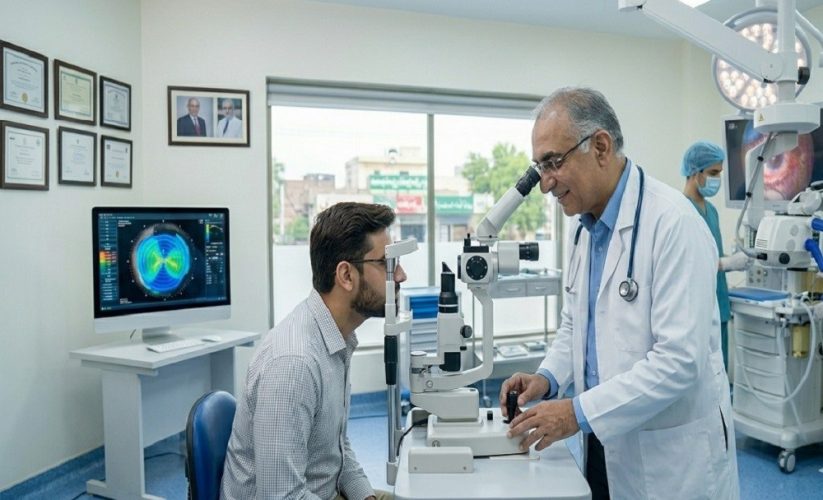
Healthy vision plays an essential role in maintaining a better quality of life. Many eye diseases develop slowly and may not show noticeable symptoms during the early stages. Regular eye checkups help identify hidden problems before they become serious and protect long-term eyesight. The Best Eye Specialist in Khanewal focuses on early diagnosis by using advanced examination methods, modern technology, and detailed patient evaluations to detect eye conditions at the right time.
In Pakistan, awareness about eye health is increasing as more people understand the importance of preventive eye care. Conditions such as glaucoma, cataracts, diabetic eye problems, dry eyes, and retinal disorders can affect vision if they are not diagnosed early. A qualified eye specialist helps patients understand their eye condition and recommends suitable treatment options according to their individual needs.
Understanding Early Eye Disease Detection and Its Benefits
Early detection means identifying eye problems before they create major vision complications. Many eye diseases can be managed effectively when they are discovered at an early stage. Routine examinations allow specialists to monitor changes in eye health and provide timely medical guidance.
The Best Eye Specialist in Khanewal uses a complete approach to eye diagnosis instead of relying only on vision tests. A detailed examination checks different parts of the eye, including the cornea, lens, retina, optic nerve, and overall eye function. This comprehensive process helps detect abnormalities that may not be visible to patients themselves.
Early diagnosis provides several benefits, including better treatment outcomes, reduced risk of permanent vision loss, and improved management of chronic eye conditions. People of all ages can benefit from regular eye examinations, especially those with diabetes, a family history of eye diseases, or age-related vision concerns.
How Eye Specialists Perform Initial Eye Assessments
The first step in detecting eye diseases is a detailed consultation. During an eye examination, the specialist discusses the patient’s medical history, vision concerns, lifestyle habits, and any symptoms they may be experiencing.
The Best Eye Specialist in Khanewal carefully evaluates symptoms such as blurred vision, eye pain, redness, headaches, sensitivity to light, difficulty seeing at night, or sudden changes in eyesight. These symptoms may indicate different eye conditions that require professional assessment.
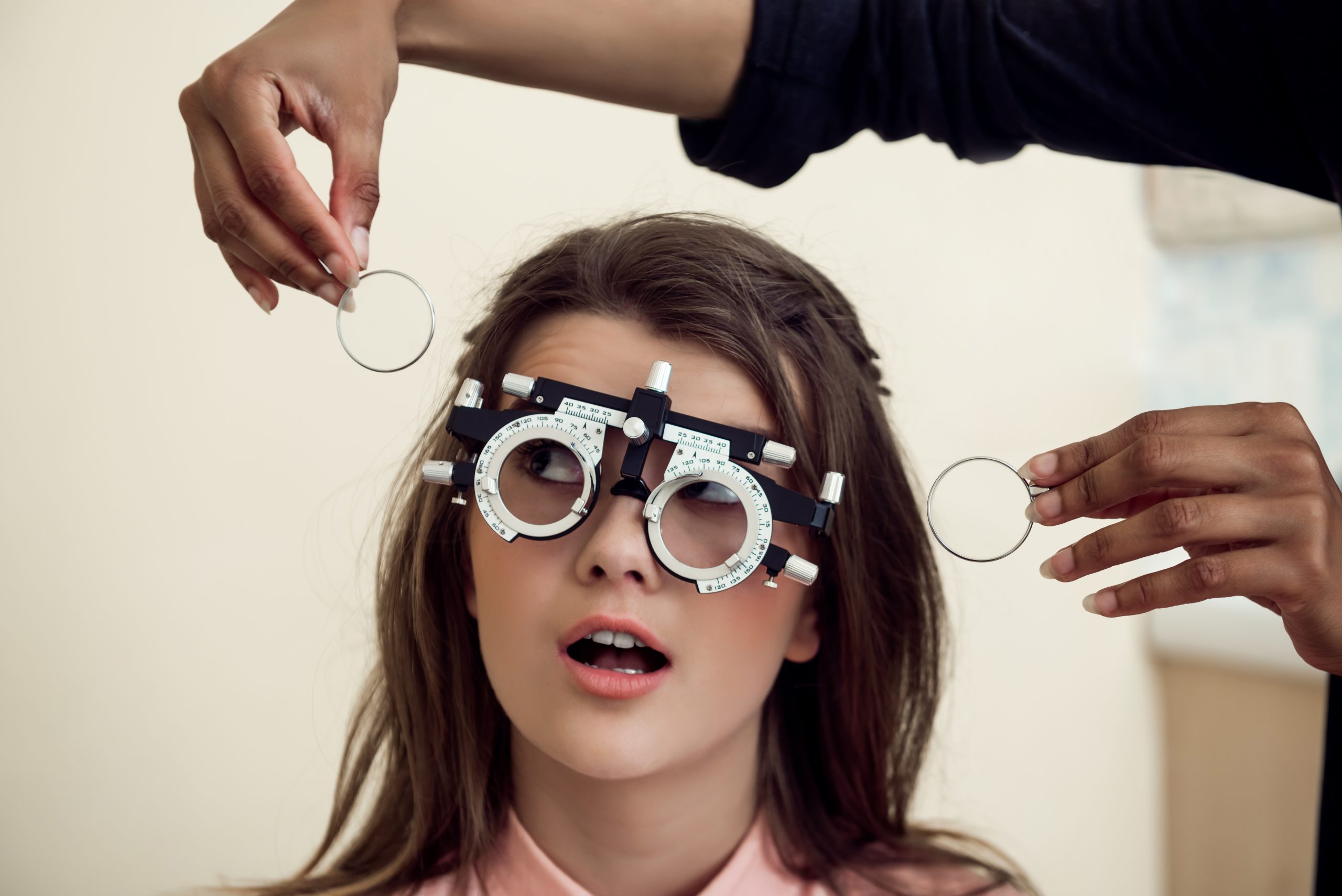
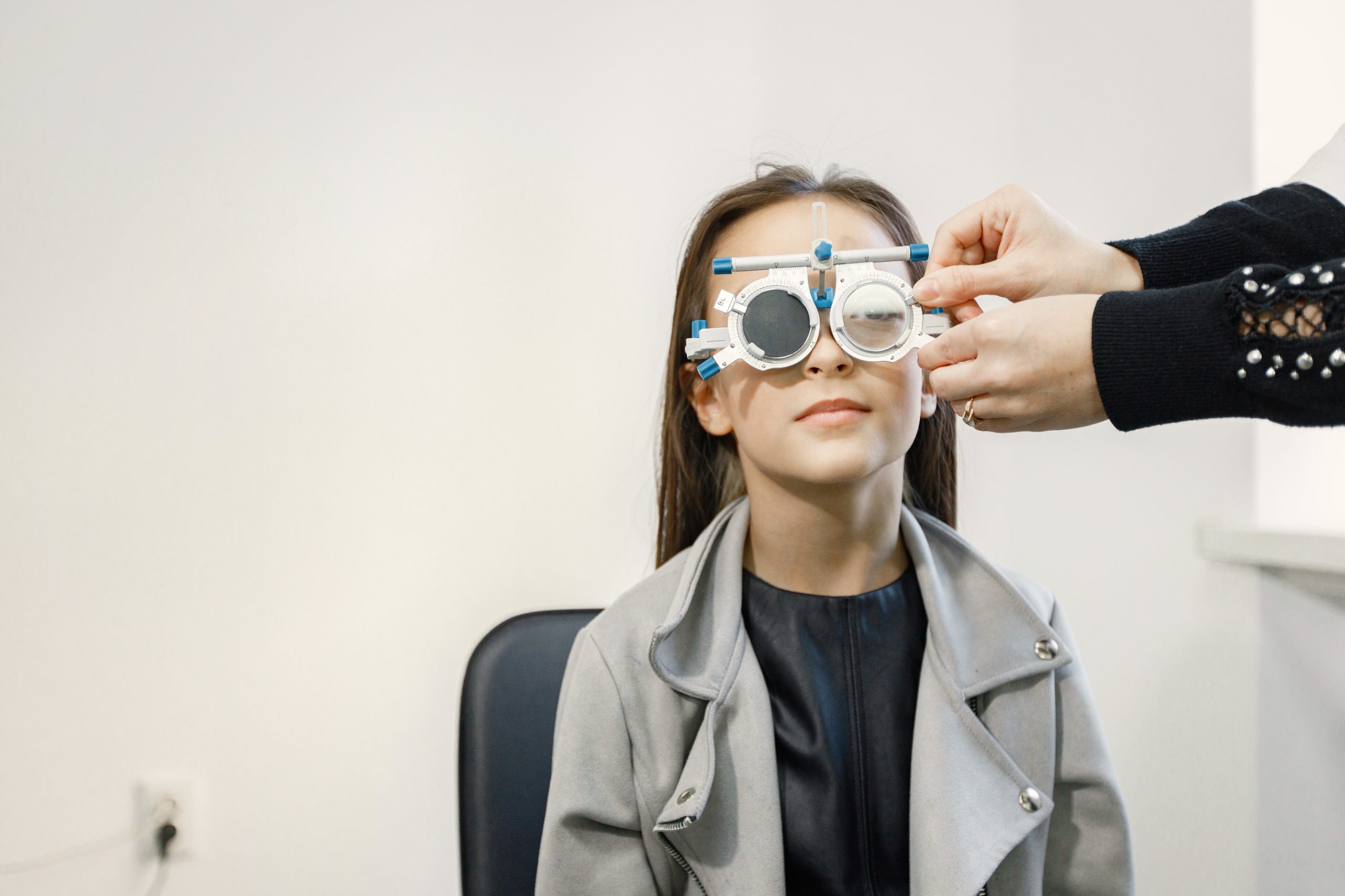
A basic vision test is usually performed to check visual clarity and determine whether a patient needs corrective lenses or further examination. However, a complete eye assessment goes beyond checking eyesight. It includes examining the internal and external structures of the eyes to identify possible health issues.
Advanced Technology for Detecting Eye Diseases Early
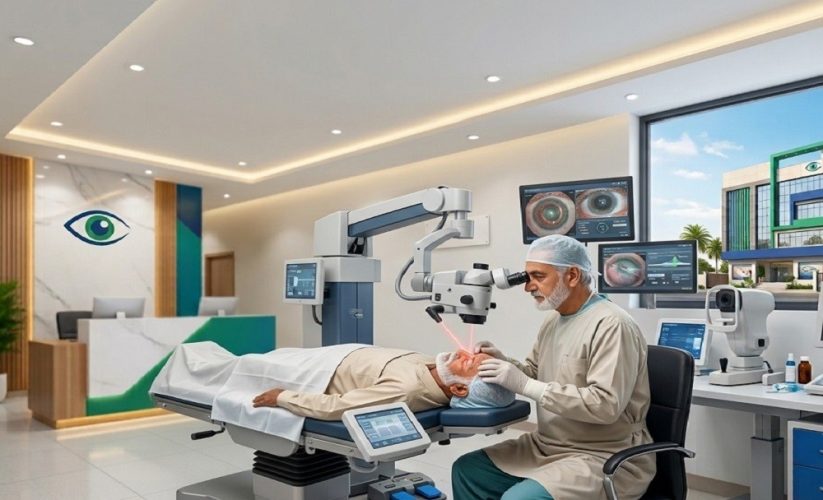
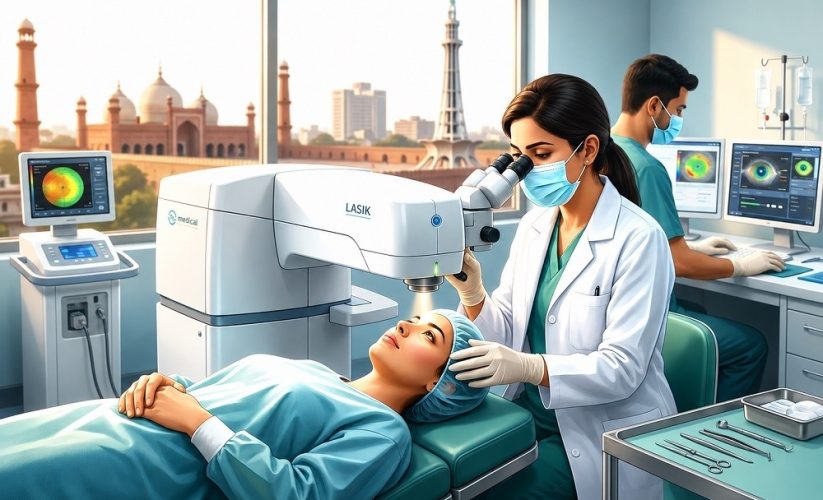
Modern eye care technology has transformed the way specialists diagnose and manage eye conditions. Advanced diagnostic tools allow doctors to examine eye structures in greater detail and identify problems before serious damage occurs.
The Best Eye Specialist in Khanewal uses modern diagnostic techniques to evaluate different parts of the eye. These technologies help in detecting changes that may not be noticeable through regular vision testing.
Digital eye scans, retinal examinations, and specialized imaging methods provide detailed information about eye health. These examinations are especially useful for detecting retinal problems, glaucoma-related changes, and other conditions affecting vision.
Detecting Glaucoma Before Vision Loss Occurs
Glaucoma is one of the serious eye diseases that can gradually damage vision without obvious warning signs. It often develops due to increased pressure inside the eye, which can affect the optic nerve. Early glaucoma detection is important because vision loss caused by optic nerve damage may become permanent. Regular eye pressure checks and optic nerve evaluations help identify glaucoma at an early stage.
The Best Eye Specialist in Khanewal examines risk factors and performs necessary tests to evaluate eye pressure and optic nerve health. Patients who have a family history of glaucoma or are experiencing changes in vision may require regular monitoring to prevent complications.
Identifying Cataracts Through Professional Eye Examinations
Cataracts are a frequently occurring eye problem, particularly in the elderly.. They occur when the natural lens of the eye becomes cloudy, causing blurry vision and difficulty performing daily activities. Many people ignore early cataract symptoms because changes in vision can happen gradually. Regular eye examinations help detect lens changes before they significantly affect eyesight.
The Best Eye Specialist in Khanewal examines the eye lens carefully to determine whether cataracts are developing. Early diagnosis allows patients to understand available treatment options and make informed decisions about their eye health.
Detecting Diabetic Eye Problems Early
Diabetes impacts several areas of the body such as the eyes. High blood sugar levels may damage blood vessels in the retina and lead to diabetic eye complications. People with diabetes should receive regular eye checkups because diabetic eye diseases may progress without noticeable symptoms in the beginning. Early detection helps prevent severe vision problems.
The Best Eye Specialist in Khanewal performs detailed retinal evaluations for diabetic patients to identify early warning signs. Monitoring eye health regularly allows specialists to recommend appropriate management strategies and reduce the risk of serious complications.
Role of Retinal Examination in Eye Disease Diagnosis
The retina is a sensitive layer at the back of the eye that plays an important role in vision. Problems affecting the retina can lead to significant vision changes if they are not treated properly.
Retinal examinations help detect conditions such as retinal damage, swelling, and other abnormalities. These evaluations are important for patients experiencing vision distortion, flashes of light, floating spots, or sudden changes in eyesight.
The Best Eye Specialist in Khanewal uses detailed retinal assessments to understand the condition of the eye and provide suitable recommendations. Regular retinal monitoring is especially important for individuals with diabetes, high blood pressure, or a history of eye problems.
Importance of Regular Eye Checkups for Children and Adults
Eye health should be maintained throughout every stage of life. Children may experience vision problems that affect learning and development, while adults may develop age-related eye conditions.
Regular eye examinations help identify vision issues early and support better eye health management. Children with undetected vision problems may struggle with reading, concentration, or classroom activities.
For adults, routine checkups help detect common conditions before they become severe. The Best Eye Specialist in Khanewal provides guidance based on age, lifestyle, and personal health factors to help patients maintain clear vision.
How Lifestyle Factors Affect Eye Health
Daily habits have a significant impact on eye health. Excessive screen use, poor nutrition, lack of eye protection, and irregular medical checkups may increase the risk of certain eye problems. A professional eye specialist not only diagnoses diseases but also educates patients about maintaining healthy vision.
Simple lifestyle improvements can support better eye function and reduce unnecessary risks. The Best Eye Specialist in Khanewal helps patients understand the connection between lifestyle choices and eye health. Personalized advice allows individuals to take preventive steps and protect their eyesight.
Why Choosing the Right Eye Specialist Matters
Selecting an experienced eye specialist is an important decision for maintaining good vision. A skilled specialist combines medical expertise, modern diagnostic methods, and patient-focused care to identify and manage eye conditions effectively.
The right specialist carefully listens to patient concerns, performs detailed examinations, and explains diagnosis and treatment options clearly. This approach helps patients feel confident about their eye care journey.
zafarlasereyeclinic focuses on providing professional eye care services with attention to accurate diagnosis, advanced examination techniques, and patient satisfaction. Early detection remains one of the most important factors in protecting vision and improving eye health outcomes.
Preparing for an Eye Examination
Patients can make their eye examination more effective by preparing important health information before visiting a specialist. Sharing details about existing medical conditions, medications, previous eye problems, and family history helps doctors understand potential risks. During the appointment, patients should explain any changes in their vision, discomfort, or unusual symptoms.
Clear communication allows specialists to perform appropriate tests and provide accurate recommendations. Regular appointments should become part of a healthy routine, even when no major vision problems are present. Preventive care can identify hidden issues and support lifelong eye wellness.
Protect Your Vision Through Early Detection
Zafar Laser Eye Clinic eye diseases can often be managed more successfully when they are detected early. Regular examinations, advanced diagnostic technology, and professional guidance play a vital role in protecting eyesight. The Best Eye Specialist in Khanewal helps patients identify eye conditions at an early stage through comprehensive evaluations and modern eye care approaches.
Maintaining healthy vision requires awareness, regular checkups, and timely medical attention. Whether it is a routine examination or a concern about changing eyesight, consulting a qualified specialist can make a significant difference. Early detection with the support of the Best Eye Specialist in Khanewal can help patients in Pakistan protect their vision and enjoy a better quality of life.
FAQs
1. Why is early eye disease detection important?
Early eye disease detection helps identify problems before they become serious. Timely diagnosis allows specialists to provide suitable treatment and reduce the risk of permanent vision loss.
2. How often should I visit an eye specialist for a checkup?
The frequency of eye checkups depends on age, health conditions, and personal risk factors. Many people benefit from regular yearly examinations, while some patients may need more frequent monitoring.
3. What eye diseases can be detected during a routine examination?
A routine eye examination can help detect conditions such as glaucoma, cataracts, diabetic eye problems, retinal issues, and vision-related disorders.
4. Can eye diseases develop without noticeable symptoms?
Yes, some eye diseases may progress without clear symptoms in the early stages. Regular eye examinations help identify hidden problems before they affect vision.
5. How does advanced technology help in eye disease diagnosis?
Advanced eye care technology provides detailed images and measurements of eye structures, helping specialists detect changes early and create more effective treatment plans.