How the Best Eye Specialist in Khanewal Uses Advanced Eye Technology 2026?
Eye care has entered a new era where technology plays a vital role in protecting vision and improving treatment outcomes. Across Pakistan, patients are becoming more aware of the importance of early diagnosis and routine eye examinations. Choosing the Best Eye Specialist in Khanewal has become an important step for individuals who want accurate eye assessments, personalized treatment plans, and access to modern ophthalmic technology. In 2026, eye specialists are using innovative diagnostic equipment and advanced medical techniques to provide safer, faster, and more precise eye care than ever before.
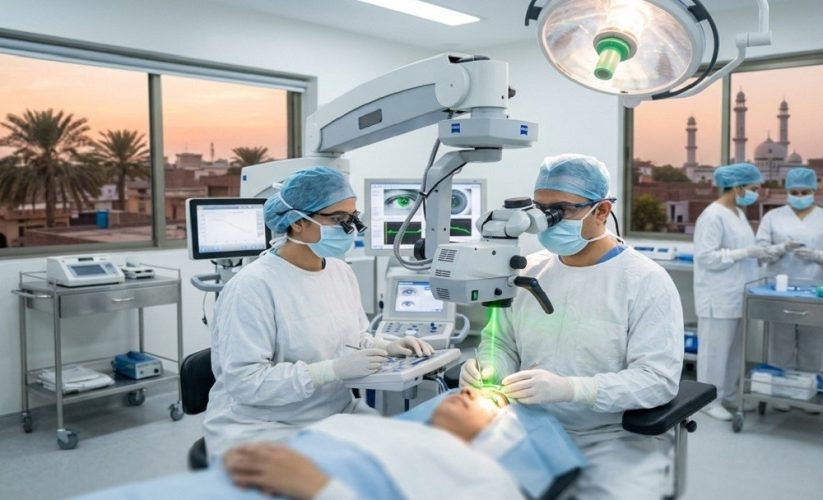
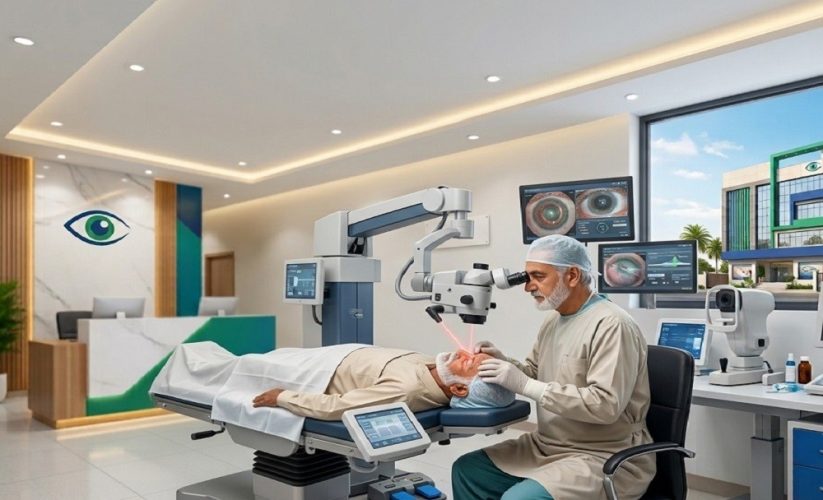
The Best Eye Specialist in Khanewal combines professional expertise with cutting-edge technology to diagnose eye conditions at an early stage and recommend treatments that match each patient’s unique needs. Modern eye care is no longer limited to checking eyesight with a traditional vision chart. Today’s advanced diagnostic systems create detailed images of the eye, measure vision with exceptional accuracy, and help specialists monitor eye health over time. These advancements improve patient confidence while supporting better long-term visual outcomes.
The Evolution of Eye Care Technology
There have been significant changes in eye care over the last 10 years. Traditional examination methods remain valuable, but they are now supported by digital diagnostic equipment capable of detecting problems that might previously have gone unnoticed. High-resolution imaging, computerized vision analysis, and precision measurement tools have transformed how eye specialists evaluate and treat patients.
In 2026, technological innovation allows ophthalmologists to gather highly detailed information about the eye within minutes. This information supports more accurate diagnoses and enables specialists to develop personalized treatment plans that improve both safety and effectiveness. Patients benefit from earlier detection of eye diseases and more reliable treatment recommendations based on detailed clinical evidence.
Why Advanced Technology Matters in Eye Care
Modern eye technology improves nearly every stage of patient care. From the initial consultation to long-term follow-up appointments, advanced equipment helps specialists understand the exact condition of the patient’s eyes. Accurate information reduces uncertainty and allows treatment decisions to be based on objective measurements rather than estimation.
Technology also improves patient comfort by making many diagnostic procedures faster and less invasive. Digital systems often complete examinations within a short time while producing highly detailed results that can be reviewed immediately. This efficiency helps specialists explain findings clearly and answer patient questions with greater confidence.
Comprehensive Digital Eye Examinations
A comprehensive eye examination is much more detailed than simply reading letters on an eye chart. Modern digital examinations evaluate visual acuity, refractive errors, eye pressure, corneal health, retinal condition, eye muscle coordination, and peripheral vision using sophisticated equipment. Each test provides valuable information that contributes to a complete understanding of the patient’s eye health.
The Best Eye Specialist in Khanewal uses these comprehensive assessments to identify subtle changes that may indicate developing eye conditions. Detailed examinations allow specialists to create individualized care plans while ensuring that every patient receives treatment based on their specific visual needs rather than a standard approach.
Computerized Vision Testing
Computerized vision testing has greatly improved the accuracy of prescription measurements. Digital refraction systems analyze how light enters the eye and calculate precise corrective lens prescriptions with remarkable consistency. These measurements help reduce common problems such as blurred vision, headaches, and eye strain caused by inaccurate prescriptions.
Patients often notice greater comfort after receiving glasses or contact lenses prescribed through modern computerized testing. Accurate vision correction supports better performance at work, school, and during everyday activities while improving overall quality of life.
High-Resolution Retinal Imaging
Retinal imaging has become one of the most valuable tools in modern ophthalmology. High-resolution digital cameras capture detailed photographs of the retina, optic nerve, and blood vessels at the back of the eye. These images allow specialists to identify abnormalities that may not be visible during routine examinations.
The ability to compare retinal images over time also supports long-term monitoring of eye health. Patients with diabetes, high blood pressure, or a family history of eye disease particularly benefit from regular retinal imaging because it allows early detection of conditions that may threaten vision if left untreated.
Corneal Mapping Technology
Corneal mapping provides an extremely detailed analysis of the front surface of the eye. Advanced diagnostic instruments create color-coded maps that measure the shape, thickness, and curvature of the cornea with exceptional precision. This information is especially important for patients considering laser vision correction or those with irregular corneal conditions.
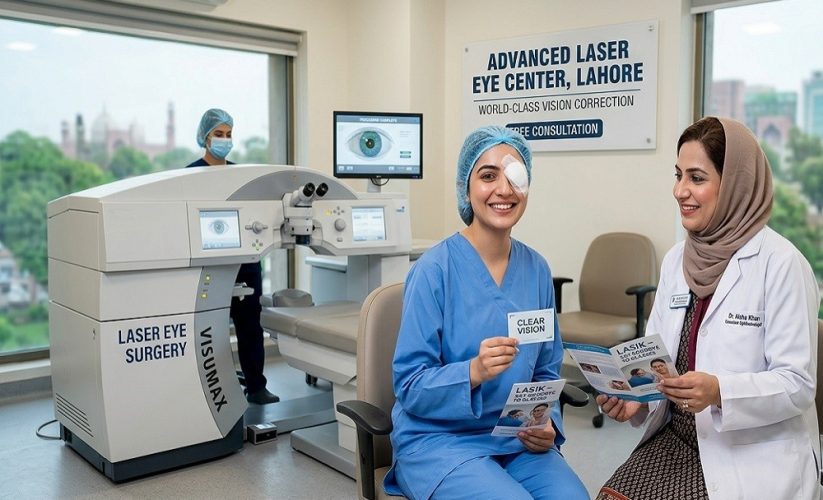
The Best Eye Specialist in Khanewal uses corneal mapping to evaluate whether patients are suitable candidates for procedures such as LASIK while ensuring that every treatment plan is based on accurate clinical information. Personalized assessments improve both patient safety and treatment success.
Optical Coherence Tomography
Optical Coherence Tomography, commonly known as OCT, is one of the most advanced imaging technologies available in eye care. This non-invasive diagnostic method produces detailed cross-sectional images of the retina and optic nerve, allowing specialists to examine internal eye structures with microscopic precision.
OCT is particularly valuable for detecting glaucoma, macular disorders, diabetic retinal disease, and age-related eye changes during their earliest stages. Early diagnosis allows timely treatment that can preserve vision and reduce the risk of permanent visual impairment.
Early Detection of Eye Diseases
Many serious eye diseases progress slowly without causing pain or noticeable symptoms during the early stages. This is why routine eye examinations supported by advanced technology are essential for maintaining healthy vision. Modern diagnostic equipment enables specialists to identify developing conditions before patients experience significant vision loss.
The Best Eye Specialist in Khanewal emphasizes preventive care by encouraging regular eye examinations for individuals of all ages. Early diagnosis often results in simpler treatments, better recovery, and improved long-term visual outcomes compared with delayed intervention.
Personalized Treatment Planning
Every patient’s eyes are unique, and successful treatment depends on understanding those differences. Advanced diagnostic technology provides detailed information that allows specialists to customize treatment according to each patient’s age, medical history, occupation, lifestyle, and visual goals.
Whether recommending prescription glasses, contact lenses, medication, laser vision correction, or surgical treatment, personalized care ensures that every decision reflects the patient’s specific needs. This individualized approach has become one of the defining features of high-quality eye care in 2026.
Advanced Technology in Laser Vision Correction
Modern laser vision correction relies heavily on sophisticated diagnostic technology. Before surgery, specialists perform comprehensive evaluations that include corneal mapping, digital refraction, tear film analysis, and detailed imaging of the eye. These measurements help determine whether patients are suitable candidates while supporting highly customized surgical planning.
Computer-guided laser systems operate with remarkable precision, allowing surgeons to correct refractive errors while preserving healthy corneal tissue. These technological advancements have improved safety, increased treatment accuracy, and contributed to excellent visual outcomes for eligible patients.
Improving Patient Experience
Advanced technology has significantly improved the overall patient experience. Many diagnostic tests that once required lengthy appointments are now completed quickly using automated equipment. Digital imaging allows specialists to show patients detailed pictures of their eyes, making it easier to explain diagnoses and discuss treatment options.
Patients often feel more confident when they understand their eye condition and the reasons behind recommended treatments. Improved communication supported by visual evidence strengthens trust between patients and eye specialists while encouraging long-term commitment to eye health.
Preventive Eye Care in 2026
Preventive eye care continues to gain importance throughout Pakistan. Rather than waiting for vision problems to appear, many individuals now schedule routine examinations to protect their eyesight before complications develop. Regular check-ups supported by advanced technology allow specialists to monitor subtle changes and recommend early intervention whenever necessary.
Healthy lifestyle choices also contribute to better vision. Balanced nutrition, proper management of chronic diseases, protection from ultraviolet sunlight, adequate hydration, and responsible digital device use all complement professional eye care and help preserve healthy eyesight throughout life.
Choosing the Right Eye Specialist
Selecting an eye specialist involves more than finding the nearest clinic. Patients should consider professional qualifications, years of clinical experience, availability of advanced diagnostic technology, communication skills, and commitment to personalized patient care. Zafar Laser Eye Clinic modern equipment provides valuable information, but successful treatment also depends on the specialist’s ability to interpret results accurately and recommend appropriate solutions.
The Best Eye Specialist in Khanewal combines modern technology with compassionate care, detailed examinations, and ongoing patient education. This balanced approach ensures that every patient receives accurate diagnoses, effective treatment, and long-term support for maintaining healthy vision.
FAQs
1. Why is advanced eye technology important?
Advanced technology improves diagnostic accuracy, detects eye diseases earlier, and supports personalized treatment plans for better vision outcomes.
2. How often should I have a comprehensive eye examination?
Most adults should have an eye examination every one to two years, while individuals with existing eye conditions may require more frequent visits.
3. Can modern eye technology detect eye diseases before symptoms appear?
Yes. High-resolution imaging and advanced diagnostic equipment can identify many eye conditions long before noticeable symptoms develop.
4. Is advanced technology used before laser eye surgery?
Yes. Detailed corneal mapping, retinal imaging, and computerized measurements help determine whether patients are suitable candidates for laser vision correction.
5. How do I choose the Best Eye Specialist in Khanewal?
Choose a qualified specialist with extensive clinical experience, advanced diagnostic technology, comprehensive examination methods, and a patient-focused approach to eye care.