How Laser Eye Surgery in Lahore Supports Faster Vision Recovery 2026?

Laser Eye Surgery in Lahore has become one of the most advanced and reliable vision correction procedures available in Pakistan. In 2026, improvements in ophthalmic technology, digital diagnostics, and laser precision have made Laser Eye Surgery in Lahore a preferred choice for people seeking clearer vision with a faster recovery period. Whether you have nearsightedness, farsightedness, or astigmatism, modern laser procedures are designed to improve vision while minimizing discomfort and supporting quicker healing.
Choosing Laser Eye Surgery in Lahore means benefiting from customized treatment plans, advanced laser systems, and comprehensive eye evaluations before surgery. Modern eye specialists now focus not only on correcting vision but also on helping patients recover safely and efficiently. With proper preparation, expert surgical techniques, and dedicated post-operative care, many individuals experience noticeable improvements in their vision within the first few days after treatment.
Understanding Laser Eye Surgery
Laser eye surgery is a refractive procedure that reshapes the cornea to improve how light enters the eye. The cornea is the transparent front surface of the eye that plays an important role in focusing light onto the retina. When the cornea has an irregular shape, images become blurred because light does not focus correctly.
Using advanced laser technology, surgeons carefully reshape the cornea with microscopic precision. This allows light to focus accurately on the retina, resulting in clearer and sharper vision. Modern laser procedures are commonly used to correct myopia, hyperopia, and astigmatism.
Why Faster Vision Recovery Matters
One of the biggest reasons people choose laser eye surgery is the ability to return to normal life quickly. Professionals often need to resume work without taking extended leave. Students want to continue their education without interruption. Parents have daily family responsibilities, while athletes and active individuals prefer treatments that allow them to return to physical activities sooner.
A faster recovery period reduces stress, minimizes disruption to daily routines, and improves overall patient satisfaction. Advances in laser technology during 2026 have significantly improved recovery timelines while maintaining excellent safety standards.
Modern Technology Behind Faster Recovery
The success of modern laser eye surgery depends largely on technological innovation.Today’s laser platforms perform vision correction with remarkable precision, removing only tiny amounts of corneal tissue according to highly detailed treatment plans. This careful approach minimizes trauma to the eye and supports natural healing.
Wavefront-guided technology measures microscopic optical imperfections unique to each eye. Topography-guided treatment creates a highly detailed map of the cornea, allowing surgeons to customize the procedure with exceptional accuracy. Advanced femtosecond lasers create thin and precise corneal flaps during LASIK procedures without using traditional blades. This contributes to smoother healing and improved patient comfort.
The Importance of a Comprehensive Eye Examination
Successful recovery begins long before surgery takes place. Every patient undergoes a thorough eye examination to determine whether laser eye surgery is appropriate. This detailed assessment helps identify suitable candidates while reducing the risk of complications.
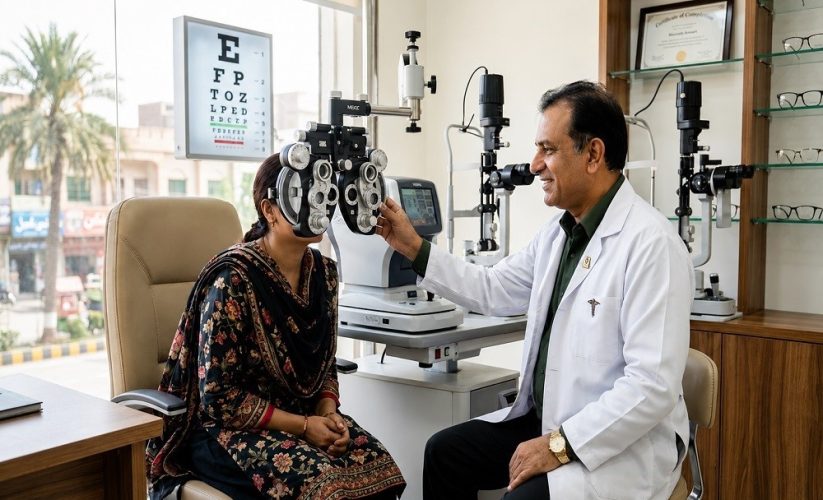
The examination includes vision testing, corneal thickness measurement, pupil size evaluation, tear film analysis, retinal examination, and eye pressure testing. Digital corneal imaging creates an accurate map of the eye, allowing surgeons to develop personalized treatment plans based on each patient’s unique anatomy.
Personalized Treatment Planning
Every eye is different, which is why personalized treatment has become one of the defining features of modern laser eye surgery. Eye specialists evaluate each patient’s prescription, corneal shape, lifestyle, occupation, age, and visual expectations before selecting the most appropriate treatment method.
This individualized approach reduces unnecessary tissue removal while improving treatment accuracy. Customized procedures not only enhance visual results but also contribute to faster healing because the surgery is specifically designed around each patient’s eye structure.
Minimally Invasive Surgical Techniques
Modern laser eye surgery is considered minimally invasive. The treatment with the laser typically lasts only a few minutes per eye.. Patients receive anesthetic eye drops before the procedure begins, making surgery comfortable without requiring injections or general anesthesia.
Since the laser reshapes the cornea with extreme precision, surrounding tissues experience minimal disruption. This minimally invasive approach allows natural healing to begin immediately after surgery and contributes to rapid visual improvement.
What Happens During the Procedure
The surgery itself follows a carefully planned process. Patients arrive at the clinic after completing all necessary pre-operative assessments. The eyes are cleaned thoroughly before anesthetic eye drops are applied. A small instrument gently keeps the eyelids open throughout the procedure to prevent blinking.
The laser system is carefully aligned using computerized imaging technology. During LASIK, a thin corneal flap may be created using a femtosecond laser. The surgeon then reshapes the cornea according to the customized treatment plan before repositioning the flap. Other laser techniques such as PRK or SMILE follow different approaches depending on the patient’s eye condition.
Recovery During the First Twenty-Four Hours
Recovery begins immediately after surgery. Patients usually rest briefly before returning home. Some mild watering, burning, blurred vision, or sensitivity to light is common during the first few hours. These temporary symptoms usually improve quickly. Most patients are advised to rest their eyes, avoid excessive screen use, and begin using prescribed eye drops immediately.
Eye shields to protect may be advised for the first night when sleeping. The first follow-up examination usually takes place within twenty-four hours to monitor early healing.
Vision Recovery During the First Week
Many patients notice significant visual improvement within the first two days. Although vision may fluctuate slightly during early healing, daily activities gradually become easier.
Office workers often return to work within several days, depending on individual recovery. Patients should continue avoiding swimming pools, dusty environments, heavy exercise, and eye makeup until approved by their eye specialist. Artificial tears help relieve temporary dryness and improve comfort during this stage.
Long-Term Healing Process
Complete visual stabilization occurs gradually. While many patients enjoy rapid improvement early on, the cornea continues healing over several weeks. Regular follow-up appointments allow eye specialists to monitor progress and ensure successful recovery.
Most patients achieve excellent long-term visual outcomes with greatly reduced dependence on glasses or contact lenses. nAlthough natural age-related vision changes may occur later in life, laser vision correction continues providing lasting benefits for many individuals.
Factors That Influence Recovery Speed
Recovery differs from one patient to another. Several factors affect healing, including age, overall health, tear production, corneal thickness, and the specific laser procedure performed. Patients who carefully follow medical instructions generally recover more comfortably.
Good nutrition, proper hydration, sufficient sleep, and avoiding smoking also support healthy healing. A positive attitude and realistic expectations further contribute to patient satisfaction during recovery.
Post-Operative Care Is Essential
The success of laser eye surgery depends not only on the procedure itself but also on proper aftercare. Patients should use prescribed medications exactly as instructed. Eye rubbing should be avoided because it can interfere with healing.
Protective sunglasses help reduce light sensitivity while shielding the eyes from ultraviolet exposure and dust. Maintaining good hygiene and avoiding contaminated water sources further reduces infection risk. Attending every scheduled follow-up appointment allows eye specialists to monitor healing closely.
Nutrition That Supports Eye Recovery
Healthy eating plays an important role in recovery. Foods rich in vitamin A help maintain healthy vision. Vitamin C supports tissue repair, while vitamin E protects cells from oxidative stress. Omega-3 fatty acids improve tear production and reduce temporary dry eye symptoms.
Leafy green vegetables, carrots, citrus fruits, fish, eggs, almonds, walnuts, and colorful fruits provide valuable nutrients that support eye health during recovery. A balanced diet complements professional medical care and promotes overall healing.
Digital Eye Care After Surgery
Many people spend long hours using computers and smartphones. Following laser eye surgery, patients should reduce prolonged screen exposure during the initial recovery period whenever possible. Frequent breaks using healthy viewing habits help reduce eye strain.
Blinking regularly prevents dryness, while maintaining appropriate screen distance improves comfort. As healing progresses, patients gradually return to their normal digital activities.
Lifestyle Benefits After Recovery
Successful laser eye surgery offers more than improved eyesight. Many patients enjoy greater independence from glasses and contact lenses. Driving becomes more convenient, particularly during travel.
Sports and outdoor activities become easier without worrying about corrective eyewear. Reading, studying, and office work often become more comfortable. Improved visual clarity also contributes to increased confidence and overall quality of life.
Safety Standards in 2026
Laser eye surgery continues becoming safer through ongoing medical innovation. Artificial intelligence now assists treatment planning by analyzing detailed diagnostic information. High-resolution imaging provides highly accurate measurements before surgery.
Computer-guided laser calibration improves precision throughout treatment. Strict sterilization procedures and careful patient screening further reduce surgical risks. These advancements have made laser eye surgery one of the safest elective vision correction procedures available.
Who Is a Suitable Candidate?
Not everyone is an immediate candidate for laser eye surgery. Suitable candidates generally have stable vision prescriptions, healthy corneas, adequate tear production, and no active eye infections. Individuals should also have realistic expectations regarding treatment outcomes.
A comprehensive eye examination remains essential before making any treatment decision. Professional evaluation ensures that laser vision correction is recommended only when it is both safe and beneficial.
The Future of Laser Eye Surgery in Pakistan
The future of laser vision correction continues to look promising. Emerging technologies are expected to improve treatment precision even further while shortening recovery times. Artificial intelligence, advanced diagnostic imaging, and improved laser platforms will continue enhancing patient outcomes.
Zafar Laser Eye Clinic has revolutionized vision correction by combining advanced technology, personalized treatment planning, and minimally invasive procedures that support faster vision recovery in 2026. From comprehensive pre-operative evaluations to highly accurate laser systems and structured post-operative care, every stage of the process is designed to improve safety, comfort, and visual outcomes. For suitable candidates, Laser Eye Surgery in Lahore provides a reliable opportunity to achieve clearer vision, regain independence from glasses or contact lenses, and return to daily activities with confidence. By following professional medical advice and maintaining healthy eye care habits, patients can enjoy long-lasting visual improvement and better quality of life.
FAQs
1. How soon can I return to work after laser eye surgery?
Many patients return to office-based work within a few days, depending on their recovery and their eye specialist’s recommendations.
2. Is vision recovery immediate after laser eye surgery?
Most patients notice improved vision within the first 24 to 48 hours, while complete visual stabilization may take several weeks.
3. Does laser eye surgery cause pain?
The procedure is generally comfortable because numbing eye drops are used. Mild irritation or dryness after surgery is usually temporary.
4. Can laser eye surgery permanently eliminate the need for glasses?
Many patients experience long-term freedom from glasses or contact lenses, although natural age-related vision changes may still occur over time.