How Best Doctors For Laser Eye Surgery in Khanewal Correct Vision 2026?
Clear eyesight plays an essential role in everyday life, from reading and driving to working on computers and enjoying time with family. As eye care technology continues to improve, more people in Pakistan are choosing laser vision correction to reduce or eliminate their dependence on glasses and contact lenses. In 2026, Best Doctors For Laser Eye Surgery in Khanewal are helping patients achieve sharper vision through advanced diagnostic methods, modern laser technology, and personalized treatment plans.
Many individuals searching for Best Doctors For Laser Eye Surgery in Khanewal want to understand how laser eye surgery actually works and whether it is the right solution for their vision problems. Modern laser procedures are designed to reshape the cornea with remarkable precision, allowing light to focus correctly on the retina. This process can significantly improve vision for suitable candidates while offering long-term benefits and a quick recovery for many patients.
Zafar Laser Eye Clinic is committed to providing high-quality eye care by combining experienced medical professionals, advanced equipment, and patient-focused treatment plans. Understanding how laser eye surgery corrects vision can help patients make informed decisions about their eye health.
Understanding Vision Problems
Before discussing laser eye surgery, it is important to understand why people experience blurry vision. The eye functions like a camera, allowing light to enter through the cornea and lens before reaching the retina. When light does not focus correctly, refractive errors occur.
The most common vision problems include nearsightedness, farsightedness, and astigmatism. Nearsighted people struggle to see distant objects clearly, while farsighted individuals experience difficulty focusing on nearby objects. Astigmatism causes blurred vision because the cornea has an irregular shape.
How Laser Eye Surgery Corrects Vision
Laser eye surgery works by reshaping the cornea, which is the transparent front surface of the eye. The cornea is responsible for bending incoming light so that it focuses properly on the retina. When the cornea has an incorrect shape, light rays fail to focus accurately, causing blurry vision. During laser eye surgery, advanced laser technology carefully removes microscopic layers of corneal tissue to create a more ideal curvature.
Once the cornea has been reshaped, light enters the eye correctly and focuses directly on the retina. This results in clearer vision and reduces dependence on corrective eyewear.
The Importance of Comprehensive Eye Evaluation
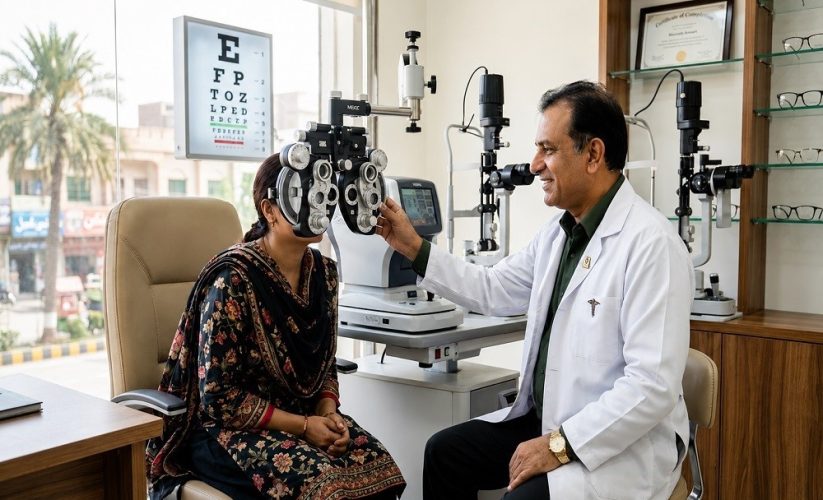
Every successful laser eye surgery begins with a detailed eye examination. Not every patient qualifies for laser treatment, which is why experienced doctors perform several diagnostic tests before recommending surgery.
The evaluation usually includes measuring the patient’s prescription, assessing corneal thickness, mapping the surface of the cornea, checking tear production, examining the retina, and measuring pupil size.Doctors also review the patient’s overall health, eye history, medications, and lifestyle requirements.
Personalized Treatment Planning
Best Doctors For Laser Eye Surgery in Khanewal carefully design individualized treatment plans based on detailed diagnostic information. Factors such as age, prescription stability, occupation, lifestyle, and eye health influence the final treatment recommendation. Customized treatment planning helps improve surgical accuracy while minimizing potential risks.
Types of Laser Eye Surgery Available
Several laser procedures may be recommended depending on the patient’s eye condition. LASIK remains one of the most widely performed procedures worldwide. It involves creating a thin corneal flap before reshaping the underlying tissue with a laser.
PRK is another well-established option, particularly for patients with thinner corneas. Instead of creating a flap, the outer layer of the cornea is gently removed before laser reshaping. SMILE is a newer minimally invasive procedure that uses advanced laser technology through a very small incision.
Modern Technology Makes Surgery More Accurate
Technology has transformed laser eye surgery over the past decade. Today’s advanced diagnostic devices produce extremely detailed maps of the cornea, allowing surgeons to customize treatment with remarkable precision.
Computer-guided laser systems monitor even tiny eye movements during surgery, ensuring laser pulses are delivered exactly where needed. Wavefront-guided technology can also correct subtle visual imperfections that traditional prescriptions may not detect.
What Happens During Laser Eye Surgery
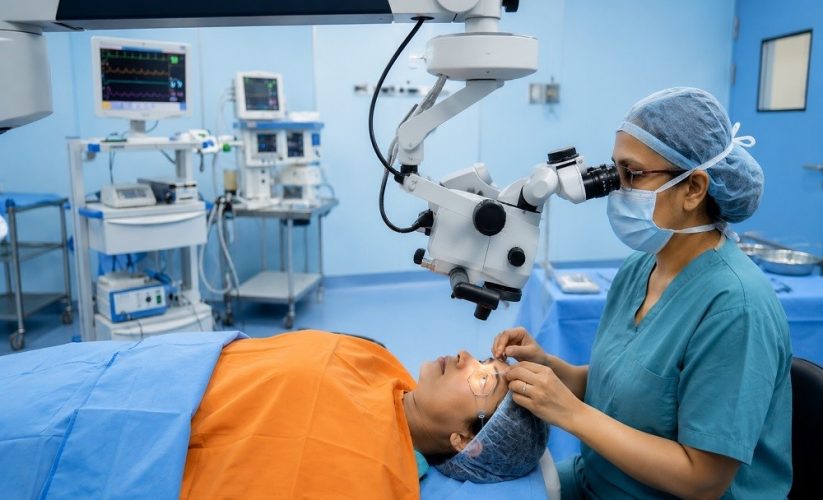
Many patients are surprised by how short the procedure actually is. After numbing eye drops are applied, the patient lies comfortably beneath the laser system. The eye is gently stabilized while the laser reshapes the cornea according to the customized treatment plan.
The laser itself typically operates for only a few seconds per eye, although the complete procedure usually takes less than thirty minutes. Patients remain awake throughout the treatment and generally experience little to no pain.
Recovery After Laser Eye Surgery
Recovery is usually quick for most patients. Vision often begins improving within the first day, although complete stabilization may continue over several weeks or months depending on the procedure performed.
Doctors provide detailed postoperative instructions, including the use of prescribed eye drops, avoiding eye rubbing, limiting water exposure during early healing, and attending scheduled follow-up appointments.
Benefits of Choosing Experienced Specialists
Highly trained surgeons are also able to analyse intricate eye conditions, interpret sophisticated diagnostic information and suggest the best treatment for every patient.
Experienced doctors also recognize situations where laser surgery may not be appropriate and can recommend alternative vision correction options when necessary. Patients benefit from greater confidence, personalized care, and comprehensive follow-up throughout the treatment process.
Who Is a Suitable Candidate?
Suitable candidates generally have stable vision, healthy corneas, realistic expectations, and no significant untreated eye disease.
Patients should also be old enough for their prescription to have stabilized. Pregnancy, certain autoimmune diseases, uncontrolled diabetes, severe dry eye, and some corneal disorders may affect eligibility.
Common Myths About Laser Eye Surgery
Many misconceptions still discourage people from considering laser vision correction. One common myth is that laser eye surgery is painful. In reality, numbing eye drops keep patients comfortable throughout the procedure.
Another misconception is that recovery takes several months. Most patients return to many normal daily activities within a short period while following medical advice. Some believe the laser can damage the entire eye. Modern laser systems are designed specifically to treat the cornea with exceptional precision.
Safety Standards Continue to Improve
Laser eye surgery is considered one of the most carefully studied elective medical procedures. Continuous improvements in laser technology, preoperative screening, surgical planning, and postoperative care have significantly enhanced safety.
Strict sterilization protocols, advanced imaging, and ongoing professional training help maintain high treatment standards. Patient selection remains one of the most important factors contributing to successful outcomes.
Long-Term Results
Many patients enjoy improved vision for years after laser eye surgery. Although natural age-related changes such as presbyopia may eventually occur, laser surgery permanently reshapes the treated cornea.
Maintaining regular eye examinations remains important for monitoring overall eye health and detecting unrelated conditions such as glaucoma, cataracts, or retinal disease. Healthy lifestyle habits, UV protection, and proper nutrition further support long-term eye health.
Why Patients in Pakistan Are Choosing Laser Vision Correction in 2026
Across Pakistan, awareness of advanced eye care continues to increase. More patients are choosing laser eye surgery because modern technology offers greater accuracy, improved comfort, shorter recovery times, and excellent visual outcomes for appropriately selected candidates.
People with active lifestyles often appreciate the freedom from glasses during sports, travel, professional work, and everyday activities. As technology becomes increasingly sophisticated, laser vision correction continues to evolve as a reliable option for suitable individuals.
The Role of Patient Education
Successful treatment involves more than surgery alone. Doctors spend time educating patients about realistic expectations, potential benefits, possible limitations, and postoperative care requirements.
Understanding every stage of treatment helps patients feel confident and actively participate in their recovery. Open communication between doctors and patients builds trust and contributes to positive treatment experiences.
Choosing the Right Eye Care Provider
Selecting a qualified eye care provider involves more than comparing prices. Patients should consider the doctor’s experience, qualifications, diagnostic technology, available treatment options, safety protocols, and commitment to personalized care.
If you are considering laser vision correction, consulting Best Doctors For Laser Eye Surgery in Khanewal is the first step toward understanding your eligibility and receiving a customized treatment plan. At Zafar Laser Eye Clinic, patient safety, comprehensive evaluations, modern technology, and individualized care remain the foundation of high-quality eye treatment, helping people across Pakistan move toward clearer vision with confidence.
Frequently Asked Questions
1. How does laser eye surgery improve vision?
Laser eye surgery reshapes the cornea so that light focuses correctly on the retina, reducing refractive errors such as nearsightedness, farsightedness, and astigmatism.
2. Who can undergo laser eye surgery?
People with stable vision, healthy eyes, and suitable corneal thickness may qualify after a comprehensive eye examination.
3. Is laser eye surgery painful?
Most patients experience minimal discomfort because numbing eye drops are used throughout the procedure.
4. How long does recovery usually take?
Many patients notice improved vision within 24 to 48 hours, although complete healing and stabilization may take several weeks depending on the procedure.
5. Are the results of laser eye surgery permanent?
The corneal reshaping is permanent. However, natural age-related vision changes can still occur later in life, making regular eye examinations important.