What to Look for in the Best Optometrist in Khanewal for Dry Eye Treatment in 2026?
Dry eyes have become an increasingly common eye condition affecting people of all ages in Pakistan. Long hours spent using digital devices, exposure to dust and pollution, air-conditioned environments, and certain medical conditions can all contribute to dry eye symptoms. If left untreated, dry eyes can affect daily activities, reduce productivity, and lower overall quality of life. That is why many people begin their search for the Best Optometrist in Khanewal to receive an accurate diagnosis and effective treatment.
Finding the Best Optometrist in Khanewal is about choosing a qualified eye care professional who provides comprehensive eye examinations, identifies the underlying cause of dry eyes, and recommends personalized treatment based on each patient’s needs. In 2026, modern diagnostic technology and improved treatment options have made it easier than ever to manage dry eye disease successfully. Zafar Laser Eye Clinic is committed to providing patient-centered eye care with advanced diagnostic equipment and individualized treatment plans to help patients achieve long-term eye comfort.
Understanding Dry Eye Disease
Dry eye disease occurs when the eyes shed fewer tears or when tears dry up too soon. Tears play a vital role in keeping the surface of the eye smooth, lubricated, and protected from infections. A Wet eyes have a water layer, oil layer and mucus layer that all play a role in providing clear vision and eye comfort.
When this tear film becomes unstable, patients may experience irritation, redness, burning sensations, excessive watering, blurred vision, light sensitivity, or the feeling that something is stuck in the eye. Although these symptoms may seem minor initially, untreated dry eye disease can become chronic and may affect the health of the cornea over time.
Why Choosing the Right Optometrist Matters
There are a variety of causes for dry eye disease.. Environmental factors, aging, hormonal changes, certain medications, eyelid problems, allergies, and underlying medical conditions can all contribute to the problem. Because Each patient is unique and treatment needs to be more than just artificial tears.
The right optometrist carefully evaluates each patient’s symptoms, medical history, lifestyle, and eye health before creating a treatment plan. A thorough examination helps identify whether dry eyes result from reduced tear production, excessive tear evaporation, inflammation, or a combination of factors.
Professional Qualifications and Clinical Experience
An experienced optometrist has examined patients with a wide range of eye conditions and understands how to recognize both common and complex causes of dry eye disease.
Experience also improves clinical judgment. An optometrist who regularly treats dry eye patients is more likely to identify subtle symptoms, recognize early warning signs, and recommend appropriate management strategies before complications develop.
Comprehensive Eye Examination
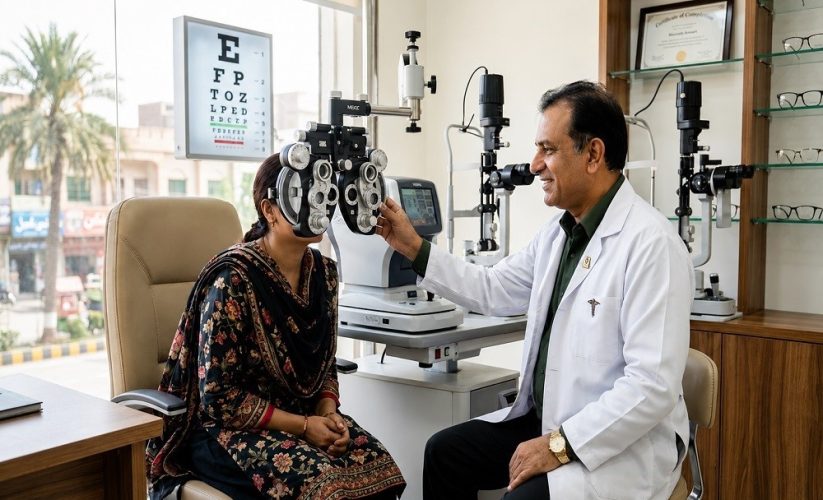
A complete eye examination is one of the strongest indicators of quality eye care. Rather than focusing only on symptoms, the optometrist should perform a detailed assessment of overall eye health.
The examination may include checking visual acuity, evaluating tear quality and quantity, examining the eyelids, assessing the meibomian glands, inspecting the cornea, measuring tear film stability, and identifying any signs of inflammation or infection..
Advanced Diagnostic Technology
Modern diagnostic equipment has significantly improved the ability to diagnose dry eye disease accurately. Technology allows eye care professionals to evaluate tear film quality, gland function, and the health of the ocular surface with greater precision than ever before.
Advanced imaging can reveal problems that may not be visible during a routine examination. This allows the optometrist to tailor treatment according to the patient’s specific condition rather than relying on general recommendations.
Individualized Treatment Plans
Some individuals primarily suffer from insufficient tear production, while others have excessive tear evaporation caused by dysfunction of the oil-producing glands in the eyelids.
An individualized treatment plan considers the severity of symptoms, work environment, digital screen use, age, medical history, medications, and lifestyle habits.
Treatment recommendations may include lubricating eye drops, eyelid hygiene, warm compresses, dietary advice, environmental changes, prescription medications when appropriate, or additional therapies based on clinical findings.
Importance of Patient Education
An experienced optometrist understands that educating patients is just as important as prescribing treatment. Patients should receive clear explanations about the cause of their dry eyes, expected treatment outcomes, proper use of medications, and lifestyle modifications that may reduce symptoms.
Understanding the condition encourages better treatment compliance and helps patients actively participate in managing their eye health.
Effective Communication
Clear communication builds trust between patients and healthcare providers. The Best Optometrist in Khanewal should take time to answer questions, explain examination findings, discuss available treatment options, and provide realistic expectations regarding recovery and symptom improvement.
Patients should never feel rushed during consultations. Comfortable communication encourages patients to report changes in symptoms, improving follow-up care and treatment adjustments when needed.
Modern Treatment Approaches in 2026
Advances in eye care continue to improve dry eye treatment options. Today’s management strategies extend beyond basic lubricating drops. Depending on the underlying cause, treatment may involve therapies that improve tear stability, reduce inflammation, restore eyelid gland function, or protect the eye surface.
Modern treatment plans often combine several approaches to achieve better long-term results rather than relying on a single solution. Regular follow-up appointments allow the optometrist to monitor progress and modify treatment whenever necessary.
The Importance of Early Diagnosis
Many people delay seeking professional care because they assume dry eyes are only a temporary inconvenience. However, untreated dry eye disease can gradually damage the ocular surface and interfere with daily activities such as reading, driving, computer work, and watching television.
Early diagnosis allows treatment to begin before symptoms become more severe or chronic. Patients who seek professional evaluation promptly often experience better long-term outcomes and greater comfort.
Lifestyle Guidance for Dry Eye Patients
Patients may benefit from limiting continuous screen time, taking regular visual breaks, maintaining adequate hydration, protecting their eyes from dust and wind, using humidifiers when appropriate, and following a balanced diet that supports eye health.
The Best Optometrist in Khanewal provides practical recommendations tailored to each patient’s lifestyle and work environment. These simple adjustments can complement medical treatment and reduce symptom recurrence.
Hygiene and Clinical Standards
A clean, well-organized clinic reflects attention to patient safety and quality healthcare. Proper sterilization procedures, hygienic examination rooms, and well-maintained diagnostic equipment contribute to a safe clinical environment.
Professional staff members should follow established infection-control practices while maintaining patient comfort throughout every visit. High clinical standards inspire confidence and demonstrate commitment to quality eye care.
Ongoing Follow-Up Care
Dry eye disease often requires ongoing management rather than a single treatment session. Regular follow-up appointments allow the optometrist to evaluate treatment effectiveness, monitor healing, identify any changes in symptoms, and adjust recommendations as needed.
Patients appreciate continuity of care because long-term monitoring supports stable eye health and prevents complications. A clinic that emphasizes follow-up demonstrates commitment to lasting patient outcomes.
Why More People Are Seeking Dry Eye Treatment in Pakistan
Growing awareness of eye health has encouraged more people across Pakistan to seek professional care for dry eye symptoms.Increased smartphone use, remote working, digital education, environmental pollution, and changing lifestyles have all contributed to rising cases of dry eye disease.
Modern eye care focuses not only on symptom relief but also on identifying and treating the underlying causes of the condition. As awareness continues to improve, patients are increasingly choosing comprehensive eye examinations rather than relying solely on over-the-counter products.
Choosing an Eye Care Clinic with Confidence
Patients should consider the qualifications of the optometrist, availability of advanced diagnostic equipment, commitment to patient education, personalized treatment planning, and quality of follow-up care.
Zafar Laser Eye Clinic dry eye disease is a common yet manageable condition when diagnosed and treated correctly. Choosing the Best Optometrist in Khanewal involves evaluating professional qualifications, clinical experience, diagnostic technology, patient communication, personalized treatment planning, and commitment to ongoing care. Rather than seeking quick temporary relief, patients should look for comprehensive eye care that addresses the root cause of their symptoms.
In 2026, advancements in eye care continue to improve the diagnosis and management of dry eye disease across Pakistan. If you are experiencing persistent burning, redness, irritation, blurred vision, or discomfort, consulting the Best Optometrist in Khanewal can help you receive an accurate diagnosis and a treatment plan tailored to your individual needs. Zafar Laser Eye Clinic remains dedicated to supporting patients through comprehensive eye care, advanced diagnostics, and personalized treatment aimed at improving long-term eye comfort and vision.
FAQs
1. What are the common symptoms of dry eye disease?
Common symptoms include burning, redness, irritation, watery eyes, blurred vision, sensitivity to light, and a gritty sensation.
2. How is dry eye disease diagnosed?
An optometrist performs a comprehensive eye examination, evaluates tear production and tear quality, examines the eye surface, and assesses the eyelids and tear glands.
3. Can dry eyes be permanently cured?
The underlying cause determines the outcome. Many patients successfully manage dry eye symptoms with appropriate treatment and regular follow-up care.
4. When should I visit an optometrist for dry eyes?
You should seek professional evaluation if symptoms persist for several days, interfere with daily activities, or do not improve with basic eye lubrication.
5. Why is personalized treatment important for dry eye disease?
Each patient has different causes and severity of dry eye disease. Personalized treatment addresses individual needs and often provides more effective long-term symptom relief than a one-size-fits-all approach.